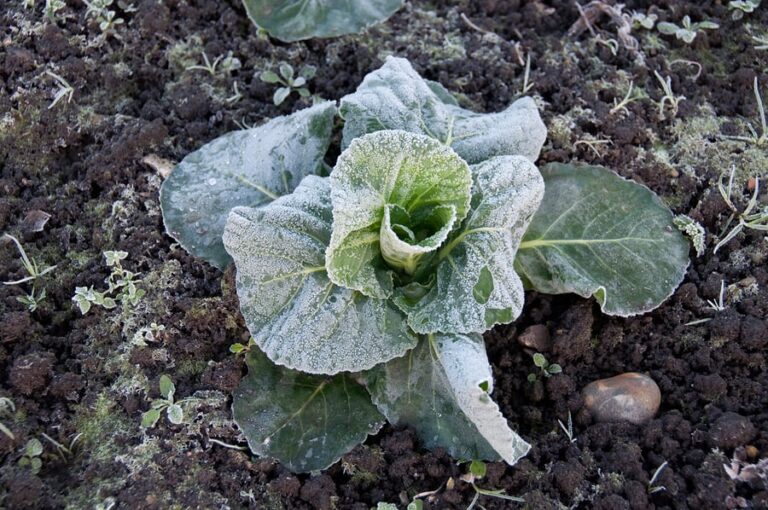
Protecting Young and Newly Planted Fruit Trees During Their First Winter

Young and newly planted fruit trees are especially vulnerable during their first winter because their roots are undeveloped and less resilient. Frost, freezing winds, and fluctuating moisture can stress or damage them, reducing their chances of survival and strong spring growth. Drawing on decades of gardening experience in both Sonoma Valley and Iowa Zone 5, I’ve developed practical strategies to help newly planted fruit trees survive their first winter in both cold and mild USDA zones.
1. Why First Winters Are Risky
- Shallow roots are more prone to freezing and desiccation
- Limited energy reserves make recovery from stress slower
- Exposed trunks and branches are vulnerable to wind, frost, and sunscald
- Newly planted trees are more susceptible to rodent and pest damage
2. Planting Considerations Before Winter
- Plant trees at the correct depth and firmly backfill soil
- Mulch 2–4 inches around the root zone, keeping 2–3 inches from the trunk
- Stake young trees for support if in windy areas
- Water deeply after planting to establish soil-root contact
3. Mulching and Soil Protection
- Mulch helps insulate roots and retain moisture
- Replenish mulch if displaced by wind, rain, or snow
- Use organic materials such as straw, shredded leaves, or bark
4. Trunk and Foliage Protection
- Wrap trunks with tree guards or breathable material to prevent sunscald and rodent damage
- Use burlap screens, frost cloths, or windbreaks for exposed young trees
- Apply anti-desiccant spray on evergreens to reduce winter moisture loss
5. Watering Young Trees
- Deeply water in late fall before soil freezes
- Water occasionally during dry winter periods when soil is workable
- Avoid overwatering to prevent root rot
6. Monitoring and Maintenance
- Check trees periodically for signs of winter stress or damage
- Remove protective wraps gradually in early spring after last freeze
- Remove any snow accumulation gently to prevent branch breakage
- Prune lightly if needed, avoiding heavy cuts until the tree is established
Conclusion
Protecting newly planted fruit trees during their first winter is critical for long-term health and productivity. By combining proper planting, mulching, trunk protection, watering, and monitoring, gardeners in both cold and mild zones can ensure young trees survive winter stress and emerge strong in spring, ready to grow vigorously and produce healthy fruit.
Newly Planted Fruit Tree First Winter Protection Checklist
1. Assess and Plan
- Identify newly planted fruit trees (apple, pear, peach, plum, citrus, etc.)
- Check site exposure to wind, frost pockets, or direct sun
- Inspect soil drainage and condition
2. Mulching and Soil Protection
- Apply 2–4 inches of organic mulch around the root zone
- Keep mulch 2–3 inches away from the trunk to prevent rot
- Replenish mulch after wind, snow, or rain events
3. Trunk and Foliage Protection
- Wrap trunks with tree guards or breathable materials to prevent sunscald
- Use burlap screens, frost cloths, or temporary windbreaks for exposed young trees
- Apply anti-desiccant spray on evergreen trees if applicable
4. Watering
- Deeply water trees in late fall before soil freezes
- Water occasionally during dry winter periods when soil is workable
- Avoid overwatering to prevent root rot
5. Staking and Structural Support
- Stake young trees in windy areas
- Ensure ties do not damage the trunk or restrict growth
- Check stakes periodically and remove after the tree is established
6. Maintenance and Monitoring
- Inspect trees regularly for signs of winter stress (browning, drooping, frost damage)
- Remove snow gently from branches to prevent breakage
- Remove wraps gradually in early spring after the last freeze
- Prune lightly if necessary; avoid heavy pruning until the tree is established
First Winter Protection Timeline (By Month)
| Month | Warm Zones (8–10) | Cold Zones (3–7) |
|---|---|---|
| October | Assess new plantings; apply mulch; stake trees | Assess plantings; apply mulch; plan wind and frost protection |
| November | Deep water before frost; install windbreaks if needed | Deep water before first freeze; wrap trunks; apply burlap screens |
| December | Monitor mulch and soil; check protective covers | Inspect trees for ice or snow damage; adjust wraps and mulch |
| January | Water if soil is workable; monitor wind exposure | Check protective wraps, windbreaks, and snow accumulation; water if possible |
| February | Inspect soil and tree health; maintain mulch | Monitor trees; reapply anti-desiccant; check supports and protection |
| March | Gradually remove wraps; prepare for spring growth | Remove wraps after last freeze; inspect for winter damage; prune lightly |
Tips for Success
- Combine strategies: Mulching, watering, trunk protection, and windbreaks together provide best results.
- Monitor frequently: Check after storms, heavy wind, or sunny winter days.
- Prioritize young and tender trees: Extra care ensures survival during the first critical winter.
- Adjust by zone: Cold zones need thicker mulch, more insulation, and stronger wind protection; warm zones can use lighter measures.