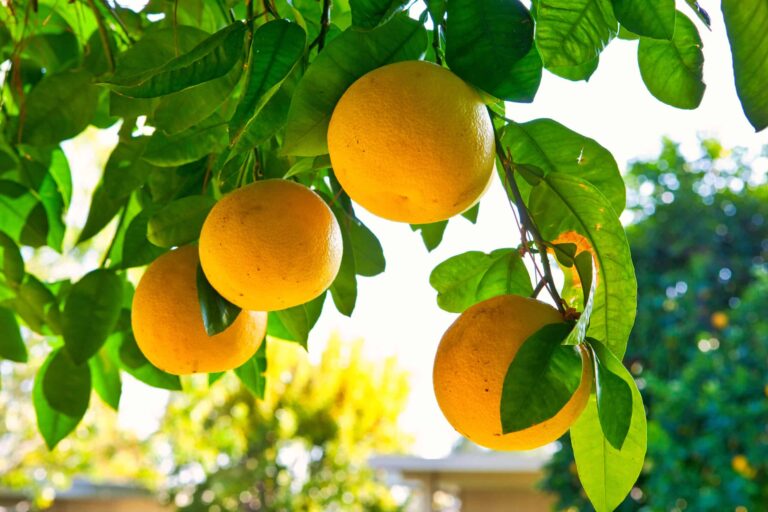
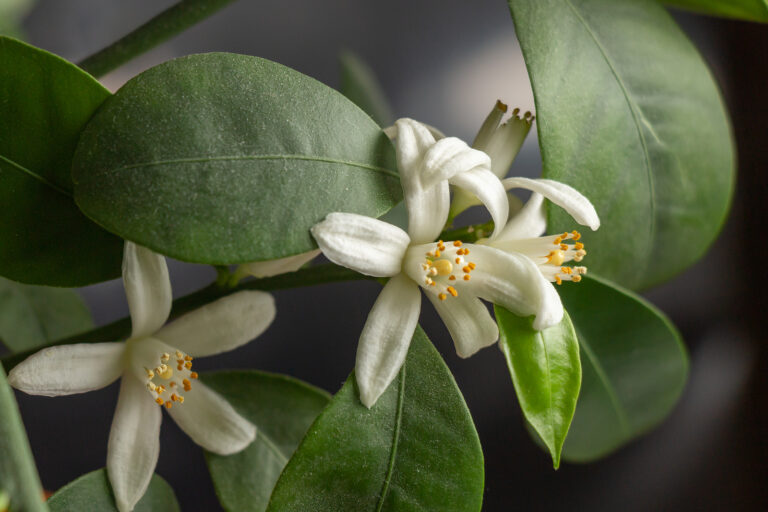
Protecting Citrus Trees in Cold and Mild Zones

Citrus trees—lemons, limes, oranges, and mandarins—are sensitive to cold, frost, and fluctuating winter temperatures. Even hardy varieties can suffer damage to leaves, branches, and fruit if left unprotected. Drawing on decades of experience gardening in both mild Sonoma Valley and cold Iowa Zone 5, I’ve developed strategies to help citrus trees survive winter in all USDA zones. Proper protection ensures healthy trees, vibrant foliage, and productive fruiting in spring and summer.
1. Understanding Citrus Cold Sensitivity
- Young trees and container-grown trees are most vulnerable
- Frost can damage leaves, flowers, and developing fruit
- Prolonged freezing temperatures can kill exposed branches or roots
- Wind desiccation can further stress trees in cold weather
2. Mulching and Soil Protection
- Apply 2–4 inches of organic mulch around the root zone to insulate soil
- Keep mulch slightly away from the trunk to prevent rot
- Replenish mulch if displaced by wind, rain, or snow
- Mulch helps maintain soil moisture and moderates temperature swings
3. Protective Measures
- Frost Cloths or Blankets: Cover small or container trees during frost nights
- Temporary Shelters: Use stakes, hoops, or frames to support cloth or burlap above plants
- Windbreaks: Install screens or barriers to reduce desiccation from cold winter winds
- Container Trees: Move potted citrus to sheltered locations (garage, patio, or unheated greenhouse)
- Trunk Wraps: Wrap trunks of young or tender trees to prevent sunscald and cold damage
4. Watering and Maintenance
- Deeply water trees before the ground freezes to reduce winter stress
- Water occasionally during dry winter periods if soil is workable
- Avoid overwatering, which can promote root rot
- Prune lightly to remove damaged or dead growth after winter
Conclusion
Protecting citrus trees in cold and mild zones requires mulching, watering, and physical protection from frost, freeze, and wind. By combining these strategies—especially for young and container-grown trees—gardeners can reduce winter stress and ensure their citrus trees emerge healthy, strong, and ready for fruiting in the coming season.
Winter Citrus Care by USDA Zone
Zone 8 (8a–8b)
Cold winters, regular freezes — citrus must be protected
| Task | What to Do | Why It Matters |
|---|---|---|
| Planting | Containers or against south-facing walls | Allows movement and heat capture |
| Frost Protection | Frost cloth, blankets, old quilts (to ground) | Prevents freeze damage to wood and fruit |
| Heat | Incandescent bulbs or heat cables during hard freezes | Protects flowers and young fruit |
| Watering | Water lightly before freezes; keep soil slightly moist | Moist soil holds heat better |
| Mulch | 3–4 inches, pulled back from trunk | Insulates roots without rot |
| Pruning | Minimal; remove dead wood in spring | Pruning stimulates cold-tender growth |
| Harvest | Pick ripe fruit before hard freezes | Fruit is more cold-sensitive than wood |
Best choices: Satsuma, Kumquat, Meyer lemon (protected)
Zone 9 (9a–9b)
Light to moderate frost — protection needed occasionally
| Task | What to Do | Why It Matters |
|---|---|---|
| Planting | In-ground with wind protection | Reduces cold stress |
| Frost Protection | Cover during freezes below 28–30°F | Prevents leaf and fruit damage |
| Watering | Reduce frequency, never waterlog | Cold + wet soil damages roots |
| Mulch | 2–3 inches | Stabilizes soil temperature |
| Pruning | Avoid winter pruning | Prevents cold injury to new growth |
| Feeding | Stop nitrogen by late summer | Reduces frost-tender growth |
Best choices: Satsuma, mandarins, navel oranges, lemons
Zone 10 (10a–10b)
Mild winters, rare frost — focus on balance, not protection
| Task | What to Do | Why It Matters |
|---|---|---|
| Planting | In-ground, full sun | Supports winter fruit development |
| Frost Protection | Rare; light cover only if needed | Young trees still vulnerable |
| Watering | Light, infrequent, soil-based | Overwatering causes root issues |
| Mulch | 2 inches | Moisture control, soil health |
| Pruning | Light shaping after harvest | Maintains structure |
| Harvest | Leave fruit to ripen on tree | Flavor improves in cool weather |
Best choices: Most citrus types thrive
Zone 11
No frost — winter is active citrus season
| Task | What to Do | Why It Matters |
|---|---|---|
| Planting | Ideal winter planting window | Roots establish without heat stress |
| Watering | Regular but moderate | Active growth continues |
| Feeding | Light feeding if growth persists | Supports flowering and fruit set |
| Pruning | After harvest, as needed | Controls size and airflow |
| Pest Watch | Monitor for scale, mites | Winter pests still active |
Best choices: All citrus varieties
Extra Winter Citrus Care Tips (All Zones)
- Cold air sinks — avoid planting in low spots
- Wind protection matters as much as temperature
- Young trees need more protection than mature trees
- Fruit freezes before wood — protect heavy crops first
- Damage often shows weeks later — wait until spring to prune
Quick Rule of Thumb
- Zone 8: Citrus survives with intervention
- Zone 9: Citrus survives with planning
- Zone 10: Citrus thrives with observation
- Zone 11: Citrus grows year-round
Winter Citrus Care by Citrus Type
Most Cold-Tolerant Citrus
(Best choices for Zones 8–9)
Satsuma Mandarins
- Cold tolerance: ~15–20°F once established
- Winter care:
- Protect young trees below 25°F
- Cover fruit during hard freezes (fruit is less hardy than wood)
- Water lightly before cold events
- Notes: Reliable producer in marginal climates
Kumquats
- Cold tolerance: ~15–18°F
- Winter care:
- Minimal protection once mature
- Mulch roots; protect containers
- Notes: Excellent for containers; fruit holds well on tree
Moderately Cold-Tolerant Citrus
(Zones 9 and warm 8b with protection)
Mandarins / Tangerines (general)
- Cold tolerance: ~22–26°F
- Winter care:
- Cover below 28°F
- Avoid winter pruning
- Notes: Sweeter types are less cold-hardy
Navel & Valencia Oranges
- Cold tolerance: ~24–26°F
- Winter care:
- Protect fruit first
- Reduce winter irrigation
- Notes: Trees survive colder temps than fruit
Grapefruit & Pomelo
- Cold tolerance: ~26–28°F
- Winter care:
- Cover during light freezes
- Use wind protection
- Notes: Large fruit freezes easily
Cold-Sensitive Citrus
(Zone 9b–10 preferred)
Lemons (Lisbon, Eureka)
- Cold tolerance: ~28–30°F
- Winter care:
- Cover below 30°F
- Containerize in cooler zones
- Notes: Continuous bloom makes them vulnerable
Limes (Persian, Key)
- Cold tolerance: ~30–32°F
- Winter care:
- Protect at first frost
- Move containers indoors
- Notes: Most frost-tender citrus
Specialty & Hybrid Citrus
(Variable tolerance)
Meyer Lemon
- Cold tolerance: ~22–25°F (more tolerant than true lemons)
- Winter care:
- Cover below 28°F
- Protect fruit and blossoms
- Notes: Popular for marginal climates
Calamondin
- Cold tolerance: ~25–28°F
- Winter care:
- Best in containers in Zone 8
- Notes: Ornamental and culinary
Yuzu
- Cold tolerance: ~10–15°F
- Winter care:
- Minimal protection once established
- Notes: Extremely hardy; slow growing
Quick Cold-Tolerance Ranking (Hardiest → Most Tender)
- Yuzu
- Kumquat
- Satsuma mandarin
- Mandarins / tangerines
- Oranges
- Grapefruit
- Meyer lemon
- True lemons
- Limes
What to Protect First in Winter
- Young trees (all types)
- Fruit-laden branches
- Tender citrus (lemons & limes)
- Container plants
- In-ground, mature, cold-hardy trees last
Pruning & Feeding Reminder (All Citrus Types)
- Do not prune in winter unless removing broken limbs
- Stop nitrogen by late summer
- Wait until spring growth resumes to assess cold damage