Plastic Pot Buyer’s Guide for Container Growing

Plastic pots are the workhorses of container gardening. They’re lightweight, affordable, and widely available—but not all plastic containers perform the same. The right choice can improve root health, water management, and overall plant productivity.
After years of growing vegetables in containers (including melons, tomatoes, and cucumbers), I’ve found that pot design matters just as much as pot size.
This guide breaks down the main types of plastic pots and how to choose the best one for your garden.
Why Choose Plastic Pots?
Plastic containers offer several practical advantages:
- Lightweight and portable (ideal for patios and small spaces)
- Moisture-retentive (dry out slower than clay or fabric)
- Affordable and widely available
- Reusable for many seasons
💡 From experience: In Sonoma Valley’s dry summers, plastic pots hold moisture longer than terracotta—reducing how often I need to water.
Types of Plastic Pots for Container Growing
1. Standard Nursery Pots
Description:
Thin, black plastic pots commonly used by nurseries.
Best for:
- Seedlings and transplants
- Short-term growing
- Starting crops before up-potting
Pros:
- Inexpensive or free (often reused)
- Lightweight and easy to store
Cons:
- Not very durable long-term
- Limited drainage design
- Can overheat in full sun
👉 Use tip: I reuse these for starting warm-season crops, then move plants into larger containers once established.
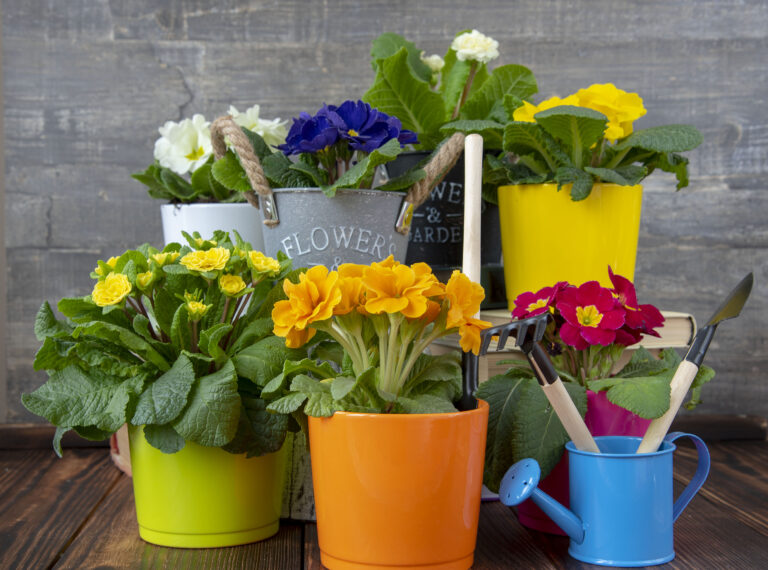
2. Decorative Plastic Planters
Description:
Thicker plastic pots designed to look like ceramic, stone, or wood.
Best for:
- Patio gardens
- Herbs, greens, and compact vegetables
- Visible garden spaces
Pros:
- Attractive and durable
- Better insulation than thin pots
- Often include drainage trays
Cons:
- More expensive
- Drainage holes may be insufficient (check before planting)
👉 Always confirm there are adequate drainage holes—or drill more if needed.
3. Heavy-Duty Grow Pots (Injection-Molded)
Description:
Thick, rigid plastic pots designed for long-term growing.
Best for:
- Tomatoes, peppers, eggplant
- Perennial herbs
- Long-season crops
Pros:
- Durable (lasts many seasons)
- Stable in wind
- Good root insulation
Cons:
- More expensive than nursery pots
- Heavier to move when filled
💡 From experience: These are my go-to for fruiting crops that stay in place all season.
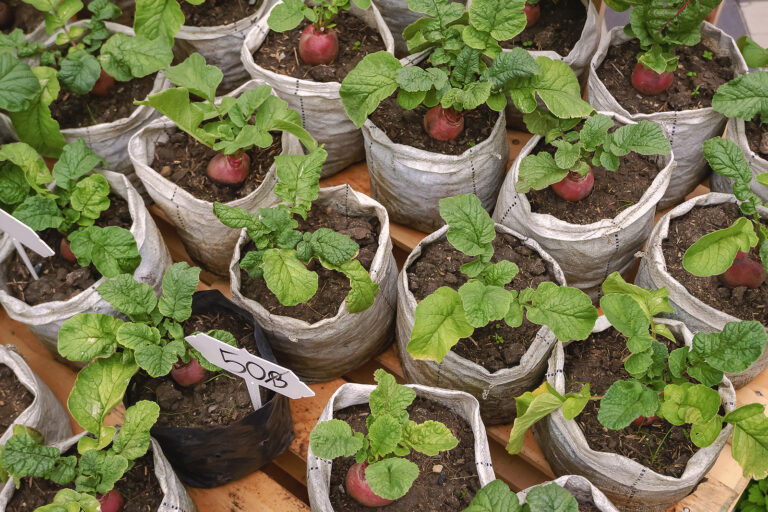
4. Plastic Grow Bags (Flexible Poly Pots)
Description:
Flexible plastic containers (not fabric) used in commercial growing.
Best for:
- Temporary growing setups
- Potatoes, onions, and bulk crops
- Budget container gardening
Pros:
- Very inexpensive
- Lightweight and easy to store
- Good drainage
Cons:
- Less durable (may tear)
- Can tip over if not supported
- Less attractive
👉 These are useful for seasonal crops when you need volume at low cost.
5. Self-Watering Plastic Containers
Description:
Containers with a built-in water reservoir below the soil.
Best for:
- Tomatoes, cucumbers, peppers
- Busy gardeners or hot climates
- Consistent moisture crops
Pros:
- Reduces watering frequency
- Provides steady moisture
- Helps prevent drought stress
Cons:
- Higher upfront cost
- Can stay too wet if overfilled
- Requires monitoring reservoir
💡 From experience: These perform especially well during heat waves when consistent moisture is critical for fruit set.
6. Plastic Window Boxes
Description:
Long, narrow containers designed for railings or ledges.
Best for:
- Lettuce, spinach, herbs
- Strawberries
- Shallow-rooted crops
Pros:
- Space-efficient
- Ideal for small gardens or balconies
Cons:
- Limited root depth
- Dry out quickly
- Not suitable for large crops
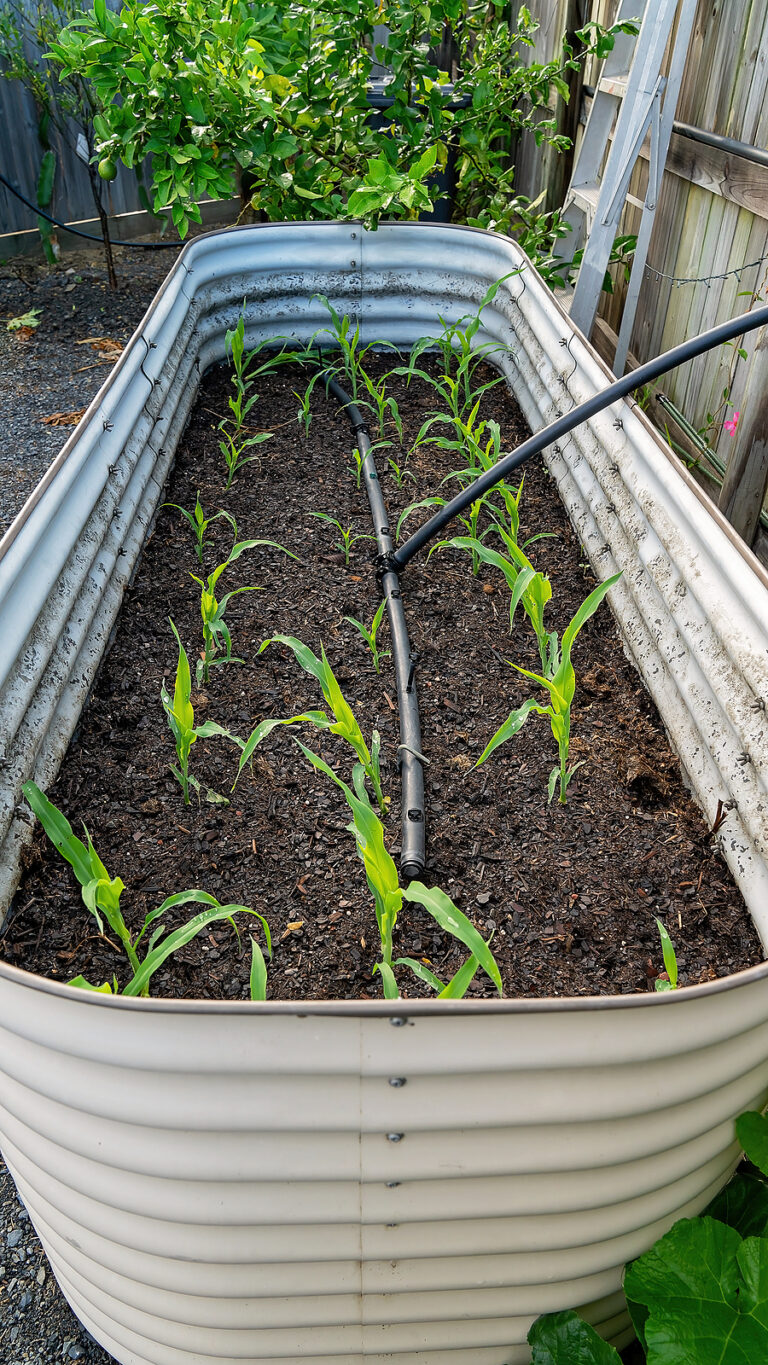
7. Plastic Troughs and Raised Bed Liners
Description:
Large, rectangular plastic containers or inserts for raised beds.
Best for:
- Mixed plantings
- Salad gardens
- Intensive spacing (NEW method compatible)
Pros:
- Maximizes growing area
- Good for organized planting layouts
- Retains moisture well
Cons:
- Heavy once filled
- Requires good drainage planning
8. Air-Pruning Plastic Pots (Slotted or Perforated)
Description:
Rigid plastic pots with holes or slits along the sides.
Best for:
- Root-sensitive crops
- Preventing root circling
- Advanced container growing
Pros:
- Encourages dense, healthy root systems
- Reduces root binding
Cons:
- Dries out faster
- Typically more expensive
👉 These are excellent if you want maximum root performance, but they require closer attention to watering.
How to Choose the Right Plastic Pot
Match Pot Size to Crop
- Leafy greens: 6–8 inches deep
- Herbs: 8–10 inches
- Peppers: 3–5 gallons
- Tomatoes & melons: 10–20 gallons
Check Drainage
Every pot should have multiple drainage holes. Poor drainage is one of the fastest ways to lose a crop.
Consider Heat and Sun Exposure
- Black plastic heats up quickly
- Lighter colors stay cooler
- In hot climates, consider double potting or shading containers
Stability Matters
For tall crops:
- Choose wider, heavier pots
- Avoid narrow, top-heavy containers
My Go-To Setup (From Experience)
For most vegetable crops in containers, I rely on:
- 10–15 gallon heavy-duty plastic pots for tomatoes, cucumbers, and melons
- Self-watering containers during peak summer heat
- Nursery pots for starting seedlings
Using this system, I can maintain consistent moisture, strong root growth, and reliable harvests—even in a limited space garden.
Final Thought
Plastic pots are more than just containers—they shape how water moves, how roots grow, and how productive your plants become.
Choose the right type based on crop, climate, and how often you want to water, and you’ll dramatically improve your results.