Lima Bean Care Guide: Mulching, Weeding, Trellising, and Midseason Maintenance

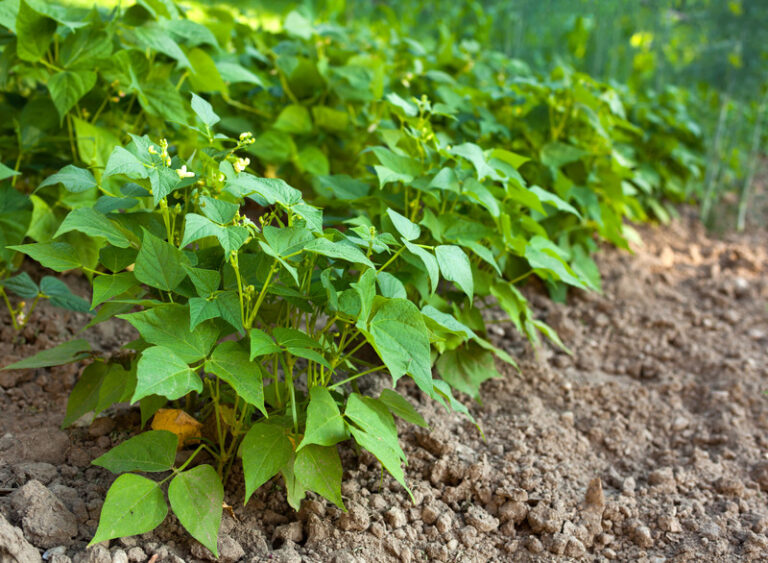
Lima beans thrive when early planting is paired with steady midseason care. After growing bush and pole limas in raised beds, wide rows, and containers for many years, I’ve learned that good cultural practices—mulching, timely weeding, smart trellising, and simple midseason tune-ups—make the difference between small, inconsistent harvests and long, heavy production. Here’s the complete care guide based on what works in my garden.
Mulching: Keeping Soil Moist, Cool, and Productive
Mulch is one of the easiest ways to boost lima bean performance.
Why Mulch Matters
- Reduces watering needs during hot spells
- Keeps soil evenly moist—critical for pod set
- Prevents splash-up that leads to disease
- Blocks weeds before they sprout
Best Mulches for Limas (based on my garden trials)
- Shredded leaves: My top choice—light, free, and decomposes beautifully.
- Straw: Excellent for heat protection around young plants.
- Grass clippings: Apply only in thin layers to prevent matting.
I mulch limas when they’re 4–6 inches tall, keeping mulch a few inches away from stems to prevent rot.
Weeding: Stay Ahead During the First 4 Weeks
Limas hate competition. Early weeds steal moisture and nutrients, especially in warm, fast-growing soils.
My weeding routine
- Hand-weed or hoe lightly once per week until plants canopy the row.
- Use a sharp stirrup hoe to slice weeds at the soil line—disturbing the soil as little as possible.
- Mulch right after the first weeding pass to stay ahead of regrowth.
Once the plants bush out or vines begin climbing, the shade they cast keeps weeds minimal.
Trellising: Essential for Pole Limas
Pole limas need strong vertical support to maximize yield and airflow. Even bush types benefit from light staking in windy areas.
What Works Best
- 8–10 ft poles or teepees: My most reliable support for large-seeded pole limas.
- Wire livestock panels: Ideal for raised beds—easy, reusable, and perfect for wide-row planting.
- String trellises: Work fine early but often sag under mature vines.
Good trellising not only improves harvest access but helps prevent fungal diseases by increasing airflow.
Midseason Maintenance: Keeping Plants Productive
Lima beans often surge in growth midseason. A simple maintenance routine keeps pods coming.
1. Check Moisture Levels
Flowering and pod formation are the most water-sensitive stages.
- Use your finger to check moisture 3–4 inches deep.
- Keep soil evenly moist—but never saturated.
2. Give a Light Feeding at Bloom
A small midseason boost greatly improves pod fill.
- Side-dress with a low-nitrogen organic mix (something around 3-4-6).
- Water deeply afterward.
3. Remove Damaged Leaves
Wind, insects, or early disease spots appear from time to time.
- Snip off damaged leaves to improve airflow and slow spread.
4. Guide Vines Upward
For pole limas, train vines every few days early on.
Once vines start producing, they naturally follow the support.
5. Watch for Pests
Aphids and spider mites can appear during hot, dry stretches.
- A quick spray of water or insecticidal soap keeps populations down.
- Mulch helps prevent mite flare-ups by keeping soil moisture steady.
Final Thoughts
Season-long lima bean success comes from consistent care rather than heavy inputs. With mulch to steady moisture, trellises to support growth, and quick midseason tune-ups, lima beans produce abundantly from midsummer into fall. These simple practices, honed over many seasons in my garden, reliably lead to healthier plants and fuller pods.
Lima Beans Learning Hub
Start here: How to Plant, Grow, and Harvest Lima Beans: A Complete Guide
Introduction to Lima Beans
- About Lima Beans: History, Botany, and How They Differ from Other Beans
- The Best Lima Bean Varieties to Grow: Bush, Pole, Baby, and Large-Seeded Types
- Lima Bean Quick Growing Tips: Fast Reference Guide for Planting Through Harvest
- How to Grow Lima Beans for Warm Climates
Planting Lima Beans
- Where to Plant Lima Beans: Best Soil, Sun, and Garden Bed Preparation Tips
- When to Plant Lima Beans: Seasonal Timing for Bush and Pole Varieties
- How to Plant and Space Lima Beans: Row, Hill, and Trellis Planting Methods
- Lima Bean Companion Plants: What to Grow (and Avoid) Nearby
- Growing Lima Beans in Containers: Best Pot Sizes, Supports, and Soil Mixes
Caring for Lima Beans
- How to Water and Fertilize Lima Beans for Vigorous Growth and High Yields
- Lima Bean Care Guide: Mulching, Weeding, Trellising, and Midseason Maintenance
- Lima Bean Pests and Diseases and Organic Controls
Harvesting, Storage, and Kitchen