Kohlrabi Companion Planting: Best and Worst Neighbors

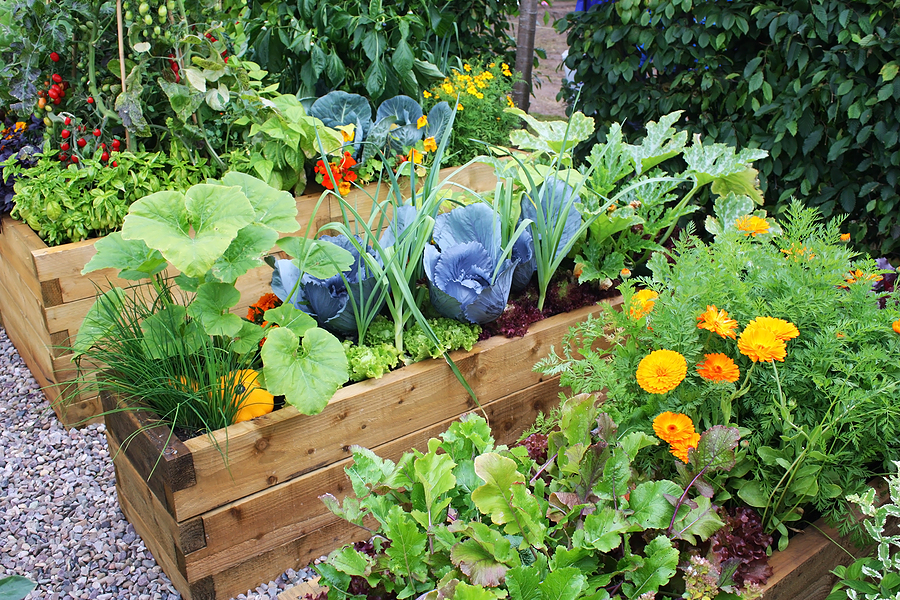
Companion planting is an essential strategy for healthy, productive kohlrabi. With over 30 years of gardening experience in California, I’ve observed how planting certain vegetables nearby can improve growth, deter pests, and enhance soil health. Conversely, some neighbors compete for nutrients or attract harmful insects, reducing your kohlrabi yield. In this guide, I’ll break down the best and worst companions for kohlrabi.
Best Companion Plants for Kohlrabi
1. Beets
- Improve soil structure and do not compete for space or nutrients.
2. Onions and Garlic
- Repel pests like aphids and cabbage worms with their strong scent.
3. Lettuce and Spinach
- Grow well in the shade of kohlrabi’s broad leaves; maximize garden space.
4. Herbs (Dill, Chamomile, Rosemary, Thyme)
- Attract beneficial insects like ladybugs and predatory wasps.
- Enhance flavor and overall plant health.
5. Potatoes
- Can be planted nearby if spacing is adequate; reduce nematode problems in some soils.
Worst Companion Plants for Kohlrabi
1. Other Brassicas (Cabbage, Broccoli, Cauliflower, Brussels Sprouts)
- Attract the same pests and increase disease risk.
2. Strawberries
- Compete for nutrients and can harbor pests that attack kohlrabi.
3. Tomatoes
- Heavy feeders; may reduce kohlrabi growth and increase vulnerability to pests.
4. Pole Beans
- Can compete for sunlight and space, especially in small gardens.
Companion Planting Tips
- Rotate kohlrabi each season to prevent soil-borne diseases.
- Use row spacing to prevent overcrowding with companions.
- Interplant herbs or flowers to attract beneficial insects and reduce pest pressure.
My Experience
Choosing the right neighbors can make your kohlrabi stronger, healthier, and more productive. By pairing it with complementary vegetables and herbs while avoiding conflicting plants, you’ll maximize your harvest and reduce pest and disease problems naturally. Companion planting is a simple, low-cost strategy that has consistently improved my garden’s performance over decades of experience.
Kohlrabi Companion Planting Chart
| Companion Type | Best Neighbors | Why It Works | Avoid / Worst Neighbors | Why to Avoid |
|---|---|---|---|---|
| Root Vegetables | Beets | Improve soil structure, don’t compete for nutrients | — | — |
| Alliums | Onions, Garlic | Repel pests like aphids and cabbage worms | — | — |
| Leafy Greens | Lettuce, Spinach | Shade-tolerant, maximize garden space | — | — |
| Herbs | Dill, Chamomile, Rosemary, Thyme | Attract beneficial insects, improve plant health | — | — |
| Other Brassicas | — | — | Cabbage, Broccoli, Cauliflower, Brussels Sprouts | Attract same pests, increase disease risk |
| Fruiting Vegetables | — | — | Tomatoes, Pole Beans | Compete for nutrients, light, and space |
| Fruit Crops | — | — | Strawberries | Compete for nutrients, harbor pests |
💡 Tip from My Experience:
Interplant herbs and leafy companions to naturally deter pests while optimizing space and sunlight in your kohlrabi beds.
Kohlrabi Growing Hub
Start here: The Ultimate Guide to Growing Kohlrabi: From Seed to Harvest
🌱 Planning & Varieties
- Best Kohlrabi Varieties to Grow in Your Garden – Compare early, late, and specialty varieties for flavor, color, and growth speed.
- When to Plant Kohlrabi: Seasonal Planting Guide – Spring, summer, and fall planting windows for cool, crisp bulbs.
- Kohlrabi Companion Planting: Best and Worst Neighbors – Plants that boost growth or deter pests naturally.
- Growing Kohlrabi in Containers and Small Spaces – Pot size, soil mix, and care for urban gardens.
🌿 Seed Starting & Transplanting
From seed to sturdy seedlings.
- Kohlrabi Seed Starting Tips – Germination tips, soil temperature, and timing for successful strong plants.
- How to Transplant Kohlrabi Seedlings Successfully – Hardening off, spacing, and planting depth for seedlings.
- Kohlrabi Spacing and Layout for Maximum Yield – Row vs. raised bed spacing, companion planting considerations.
🌾 Care & Maintenance
Tips for strong growth and pest-free plants.
- How to Water Kohlrabi for Healthy Growth – Deep watering, frequency, and tips for preventing bulb splitting.
- Fertilizing Kohlrabi: Tips for Bigger, Sweeter Bulbs – Organic and synthetic feeding strategies, nitrogen needs, and timing.
- Kohlrabi Care and Maintenance: Step-by-Step Guide – Mulching, thinning, pruning, and ongoing plant care tips.
- Common Kohlrabi Pests and Diseases and Natural Control Methods – Aphids, cabbage worms, clubroot, and preventive strategies.
🥗 Harvesting & Storing
Ensure top flavor and long-lasting storage.
- How to Harvest and Store Kohlrabi – Bulb size, leaf use, and storage timing.
🍽 Using Your Harvest
Inspired ways to enjoy their crop.
- Ten Ways to Cook and Serve Kohlrabi – How to prepare, cook, and enjoy kohlrabi leaves and bulbs.