Interplanting for Biocontrol: Using Companion Plants to Reduce Pests in the Vegetable Garden

Interplanting isn’t just about maximizing space—it can be a powerful tool for biocontrol, helping reduce pest damage naturally. By strategically placing certain plants next to your vegetables, you can deter harmful insects, attract predators, or confuse pests, minimizing the need for chemical interventions.
How Interplanting Controls Pests
- Repellent Plants: Some herbs and flowers release scents that deter pests.
- Examples: Marigolds (nematodes, aphids), basil (whiteflies), garlic/onions (various insects).
- Use: Plant alongside tomatoes, peppers, or brassicas.
- Trap Crops: These attract pests away from main crops.
- Examples: Nasturtiums lure aphids away from cabbage or cucumbers.
- Use: Plant at field edges or near vulnerable crops.
- Attracting Beneficial Insects: Certain plants provide nectar, pollen, or shelter for predators and parasitoids.
- Examples: Dill, fennel, coriander, alyssum attract ladybugs, lacewings, parasitic wasps.
- Use: Interplant near crops prone to aphids, caterpillars, or whiteflies.
- Confusion or Masking: Some companion plants mask the scent of main crops, making it harder for pests to find them.
- Examples: Strongly aromatic herbs like rosemary, sage, or thyme.
- Use: Plant around susceptible crops like brassicas or tomatoes.
Timing and Placement
- Plant repellent or beneficial flowers/herbs at the same time as your main crop or slightly earlier to establish them.
- Trap crops should be planted early enough to attract pests before the main crop is vulnerable.
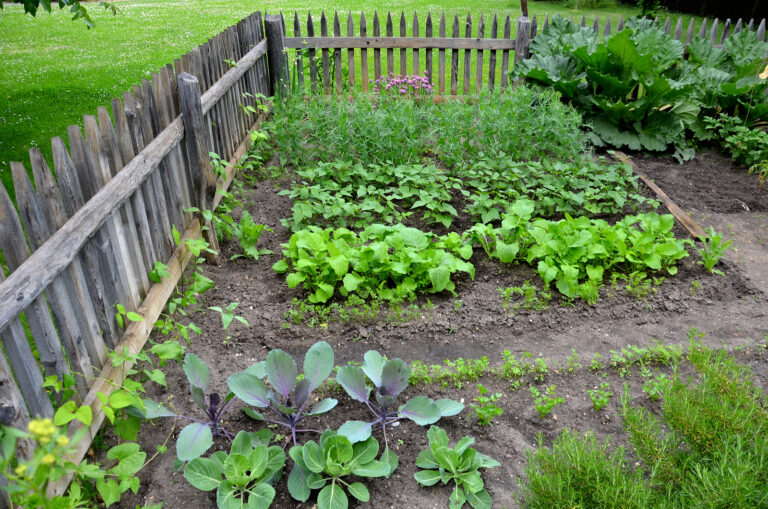
- Mix different strategies in one bed: repellent plants at the edges, beneficial flowers scattered among vegetables, trap crops nearby.
Key Benefits
- Reduced pest populations without chemicals
- Increased presence of natural predators
- Improved crop health and yield
- Supports biodiversity in your garden
By using strategic interplanting, you create a balanced ecosystem where pests are controlled naturally and your vegetables thrive. Over time, this approach can reduce chemical use and improve soil and plant health.
Vegetable Garden Biocontrol Companion Chart
| Vegetable | Companion Plants | Pest Targeted / Biocontrol Effect | Timing / Notes |
|---|---|---|---|
| Tomatoes | Basil | Repels whiteflies, aphids, tomato hornworms | Plant at transplant or around bed edges |
| Marigolds | Repel nematodes, aphids | Plant same day or slightly earlier | |
| Nasturtiums | Trap aphids | Plant nearby; harvest aphids by hand | |
| Dill | Attracts ladybugs and parasitic wasps | Sow at same time as transplants | |
| Peppers | Basil | Repels aphids, whiteflies | Plant at transplant |
| Marigolds | Repel nematodes | Plant at bed edges | |
| Alyssum | Attracts hoverflies (aphid predators) | Plant between rows | |
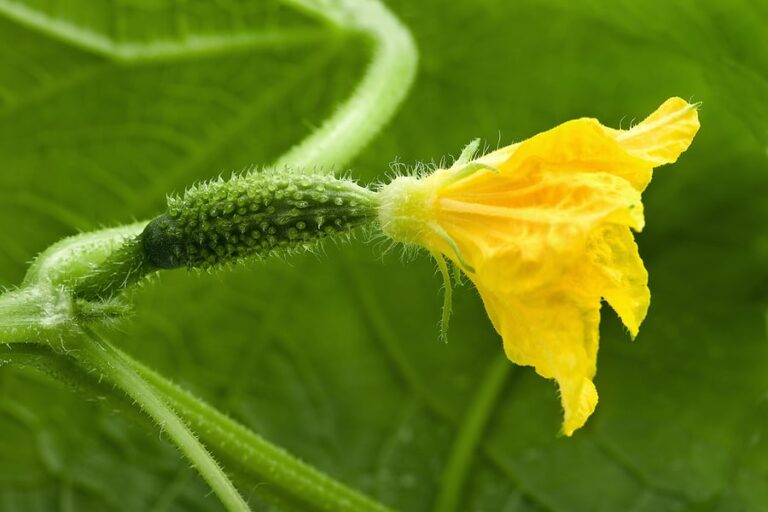
| Cucumbers | Nasturtiums | Trap aphids | Sow at same time; edges of beds |
| Dill | Attracts parasitic wasps | Interplant early | |
| Radishes | Confuses cucumber beetles | Plant with main crop | |
| Squash / Pumpkins | Nasturtiums | Trap aphids and beetles | Plant edges or within patch |
| Marigolds | Deters nematodes | Plant at same time | |
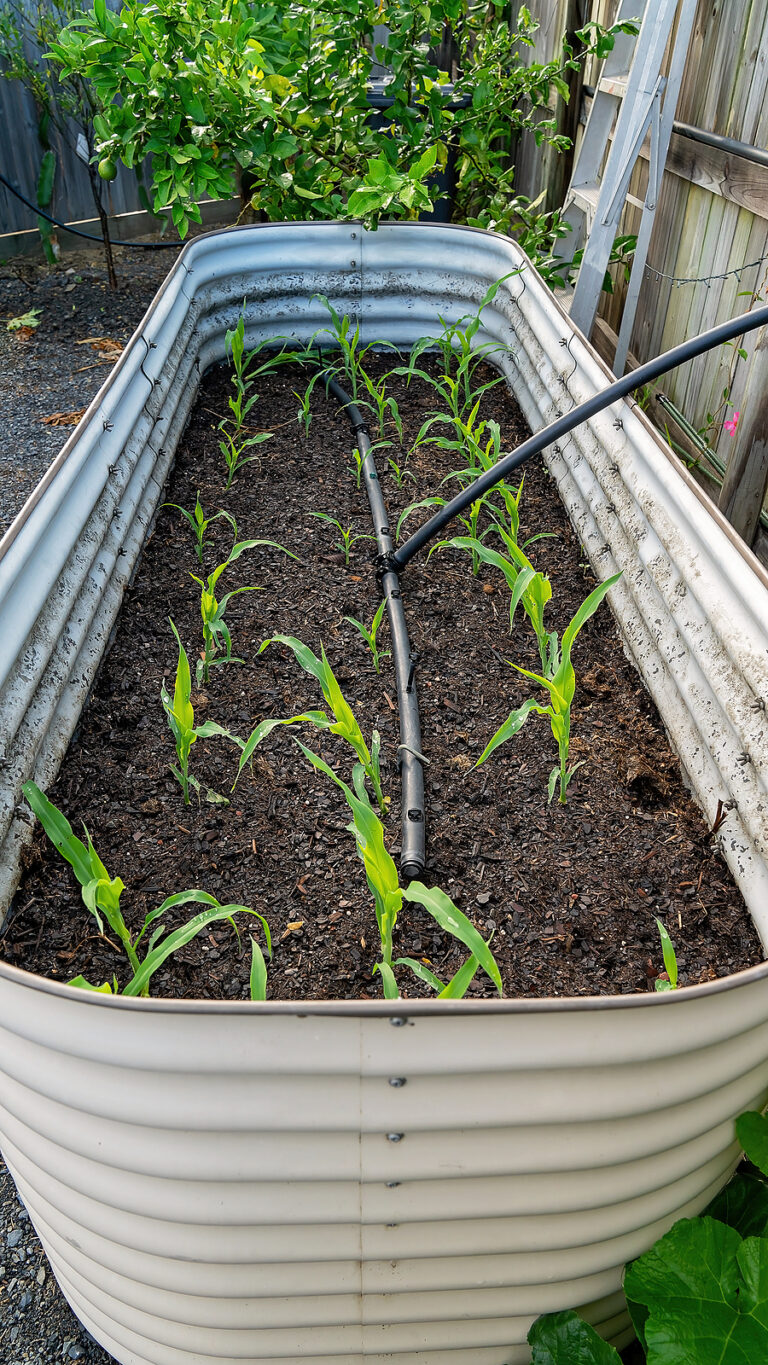
| Corn | Provides structure for beneficial insects | Plant together in Three Sisters method | |
| Cabbage / Brassicas | Dill, Fennel, Cilantro | Attracts parasitic wasps (cabbage worms, loopers) | Sow at transplant or slightly earlier |
| Nasturtiums | Trap aphids | Plant nearby | |
| Marigolds | Repel nematodes | Plant around bed edges | |
| Onions, Garlic | Repel aphids, cabbage moths | Plant at same time | |
| Carrots | Onions, Leeks | Repel carrot flies | Plant same time |
| Radishes | Trap pests, break soil surface | Sow with carrots | |
| Dill, Fennel | Attract parasitic wasps | Plant early | |
| Beets | Onions | Repel aphids | Plant same day |
| Marigolds | Deter nematodes | Plant around bed edges | |
| Bush beans | Attract beneficial predators | Interplant early | |
| Lettuce / Greens | Garlic, Chives | Repel aphids, leaf miners | Plant nearby or between rows |
| Marigolds | Repel nematodes | Plant edges | |
| Nasturtiums | Trap aphids | Plant near greens | |
| Corn | Beans | Fix nitrogen; attract beneficial insects | Plant when corn 6–12” tall |
| Sunflowers | Provide structure for parasitic wasps | Plant same day | |
| Nasturtiums | Trap aphids | Interplant along edges | |
| Onions / Garlic | Carrots | Deter carrot flies | Plant same time |
| Lettuce | Reduce aphids | Plant in gaps | |
| Brassicas | Repel cabbage worms | Plant nearby | |
| Herbs / Flowers for Biocontrol | Alyssum | Attract hoverflies (aphid predators) | Plant near tomatoes, peppers |
| Marigolds | Repel nematodes | Plant near most vegetables | |
| Dill, Fennel, Cilantro | Attract parasitic wasps | Plant near brassicas | |
| Nasturtiums | Trap pests | Plant with cucumbers, squash, tomatoes | |
| Basil | Repels whiteflies, aphids | Plant near tomatoes and peppers |
Tips for Using the Chart
- Repellents go along bed edges or near vulnerable crops.
- Trap crops go on bed edges or as dedicated small patches.
- Beneficial-attracting plants should be scattered throughout beds or along pathways.
- Timing: plant companion herbs and flowers slightly before or at the same time as main crops for maximum effect.
- Rotation: Change companion placements each season to avoid pest buildup in one area.