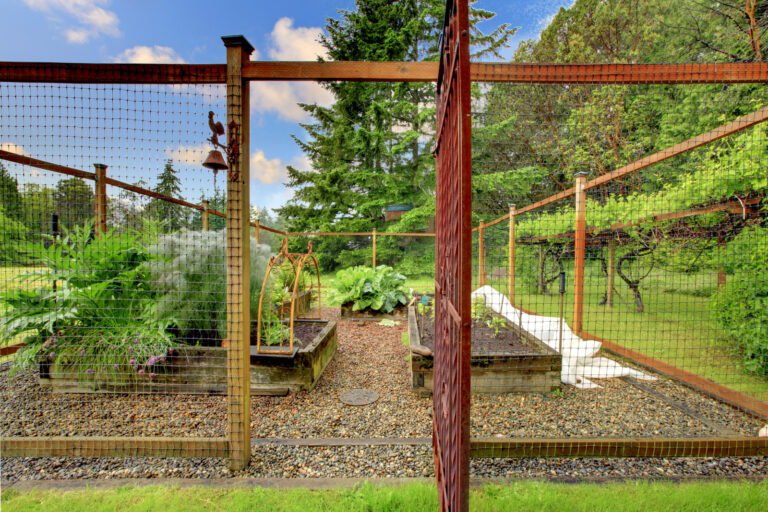
How to Trap Gophers in the Vegetable Garden

Gophers can wipe out a row of vegetables in a single afternoon. I’ve gardened for more than 30 years in California’s Central Valley and later in Sonoma Valley—both prime habitat for pocket gophers—and trapping has consistently been the most reliable way to protect vegetable beds. When used correctly, traps work quickly, humanely, and with far fewer losses than relying on repellents or noise devices.
Here is the method I use, season after season, to remove gophers efficiently and keep the vegetable garden productive.
Why Trapping Works Better Than Other Methods
I’ve tried nearly every approach—castor oil pellets, deterrent plants, vibrating stakes, even flooding tunnels. Nothing consistently reduces gopher pressure like placing traps in active tunnels. Trapping targets the one gopher living in each tunnel system, and once that gopher is removed, the system usually collapses and the damage stops.
Step-by-Step: How to Trap Gophers Successfully
1. Identify Fresh Activity
Look for signs of recent digging:
- Fresh, moist soil pushed from a new mound
- Fan-shaped mounds with a plugged opening
- Wilting vegetable plants that tug downward (a classic sign the gopher is feeding from below)
My experience: The freshest mound is your best entry point. If the soil feels damp and loose, the gopher is active nearby.
2. Open the Tunnel
Use a hori-hori knife, small trowel, or narrow shovel to dig into the side of the mound and locate the main tunnel. The tunnel will be about 2 to 3 inches in diameter and typically runs in a straight line.
Tip from the garden: I slide my hand tool gently until it “drops” into the tunnel. Avoid widening the tunnel more than necessary.
3. Choose the Right Trap
The two traps that have worked best for me:
• Cinch Traps
- Quick-kill and highly effective
- Excellent for straight main tunnels
- Easy to check and reset
• Macabee or Wire-Gopher Traps
- Traditional and reliable
- Placed in pairs facing in opposite directions
- Good for narrow tunnels in heavy clay soils
My experience: In Sonoma’s clay loam, Cinch traps catch more consistently; in my Central Valley years, Macabees were easier to place.
4. Set the Trap Correctly
- Remove loose soil from the tunnel.
- Place the trap so the trigger faces the direction of expected gopher travel.
- For Macabee traps, set two traps back-to-back in opposite directions to catch the gopher coming or going.
- Attach a wire or string to the trap and secure it to a stake so it doesn’t disappear deeper into the run.
My experience: A gopher often tests a disturbed tunnel within minutes to hours—especially early morning and late afternoon.
5. Cover the Tunnel
Gophers avoid open air. Cover the opening with a rock, sod piece, or small board to block out light. Do not completely seal it—just enough to mimic natural darkness.
6. Check Traps Frequently
Check traps every few hours on the first day, then morning and evening after that.
My routine: I check traps at dawn while watering, and again in late afternoon. When a gopher is removed, fill the tunnel so the next one is less likely to move in.
Where to Place Traps for Best Results
- Directly in the newest mound: Highest success rate.
- Between multiple mounds: Usually the main runway connects them.
- Along garden edges: Gophers often travel the border between lawn and vegetable beds.
Over decades, I’ve learned that accuracy beats quantity. Two well-placed traps outperform six poorly placed ones.
Safety and Humane Considerations
- Keep traps away from children and pets.
- Handle traps carefully—both Cinch and Macabee models are powerful.
- Dispose of gophers in sealed trash bags or bury away from active beds.
Preventing New Gophers After Trapping
Once a gopher is removed, reinforce your garden with:
- Hardware cloth under raised beds
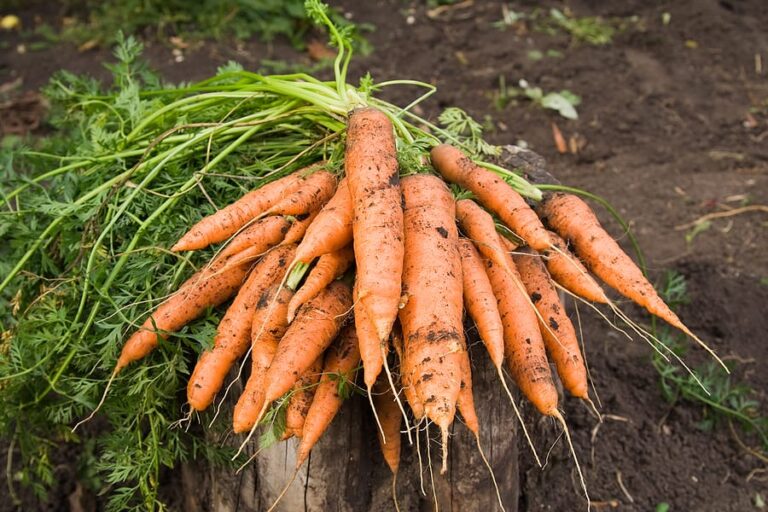
- Wire baskets for root crops (carrots, beets, potatoes)
- Perimeter planting with deterrent plants like rosemary, lavender, daffodils, and alliums
Trapping reduces the current threat; barriers reduce future ones.
Final Thoughts
Trapping is the most effective, time-tested solution for protecting a vegetable garden from gopher damage. With the right traps, careful tunnel placement, and a consistent checking routine, you can stay ahead of gophers and keep your crops safe. After decades gardening in gopher-heavy soil, trapping remains the core of my strategy—and the method I recommend to fellow gardeners who want reliable results.