How to Tell New Growth From Old Growth When Pruning

Understanding the difference between new growth and older wood is one of the most important pruning skills for beginners—and one of the easiest to learn once you know what to look for. New or current-season growth is the wood that formed after last winter, and it’s often where summer flowers and fruit are produced. In this guide, you’ll learn simple visual and hands-on cues—like color, flexibility, and bud activity—that make it easy to identify new growth with confidence before you ever make a cut.
What “New” and “Current” Growth Means (Plain English)
- New growth / current-season growth = stems and shoots that grow this year
- Old growth = wood that formed last year or earlier
Plants that bloom or fruit on new/current growth can safely be pruned in spring.
How to Spot New or Current Growth (Beginner Cues)
1. Look at the Color
- New growth:
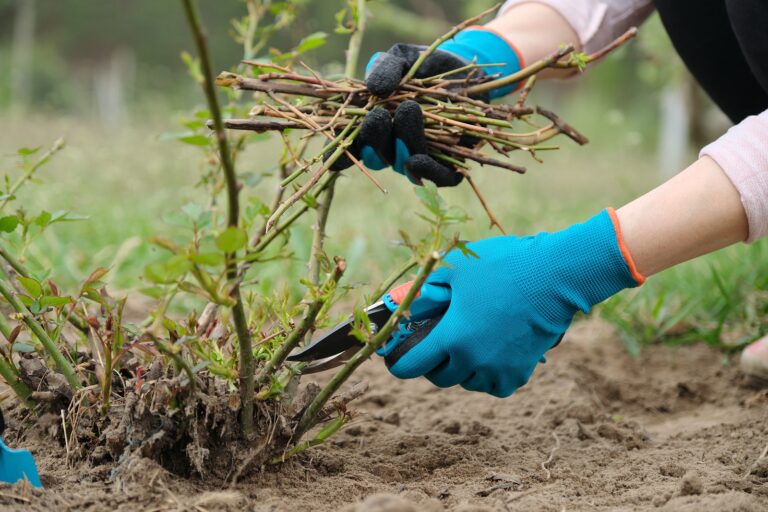
- Lighter green, reddish, or soft brown
- Looks fresh and flexible
- Older growth:
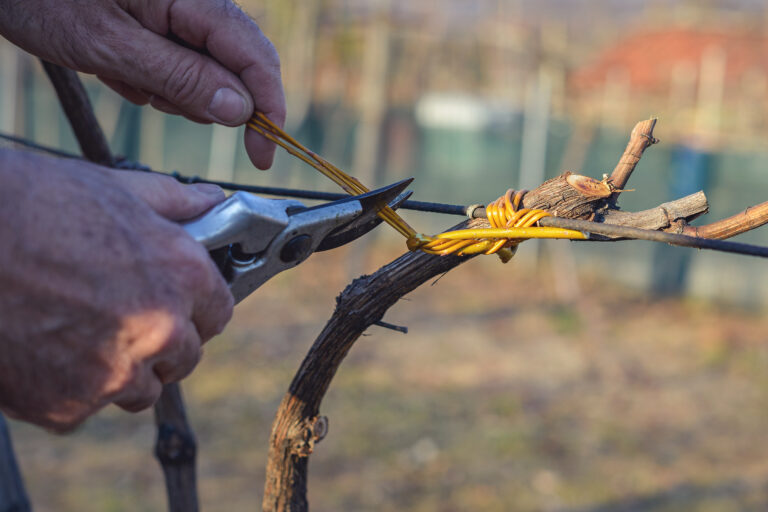
- Darker brown or gray
- Often rough or barked over
If it looks shiny and young, it probably is.
2. Bend the Stem Gently
- New growth: bends easily
- Old growth: stiff or woody
No snapping needed—just a gentle bend tells you a lot.
3. Check for Buds and Shoots
- New/current growth:
- Buds swelling
- Small side shoots forming
- Leaf buds spaced close together
- Older wood:
- Fewer buds
- Long bare sections
Lots of activity = current growth.
4. Look at Where the Growth Starts
- New growth usually:
- Comes from the ends of branches
- Sprouts from last year’s cuts
- Emerges from the base on fruit bushes
Older wood makes up the plant’s permanent framework.
5. Use Last Year’s Growth Line (Easy Trick)
On many fruit trees and shrubs, you can see a slight ring or change in bark texture where last year’s growth ended.
Everything beyond that point is current-season growth.
New vs Old Growth: Quick Comparison
| Feature | New / Current Growth | Older Growth |
|---|---|---|
| Color | Light green to reddish | Brown or gray |
| Texture | Soft, smooth | Woody, rough |
| Flexibility | Bends easily | Rigid |
| Bud activity | Active, swelling | Sparse |
| Location | Branch tips, new shoots | Main structure |
Beginner Rule You Can Trust
If it grew after last winter, it’s current growth.
That’s the growth many summer- and fall-blooming plants use for flowers and fruit.
One More Confidence Booster
If you’re still unsure:
- Prune lightly
- Make small cuts
- Watch how the plant responds
Plants that bloom on new growth respond quickly and obviously, which builds confidence fast.
Final Thoughts
Learning to recognize new and current growth takes a little observation, but it quickly becomes second nature. By paying attention to stem color, flexibility, and bud activity, you can prune with confidence and avoid cutting away future flowers or fruit. When in doubt, make small cuts, watch how the plant responds, and let each season teach you more—plants are very forgiving teachers.