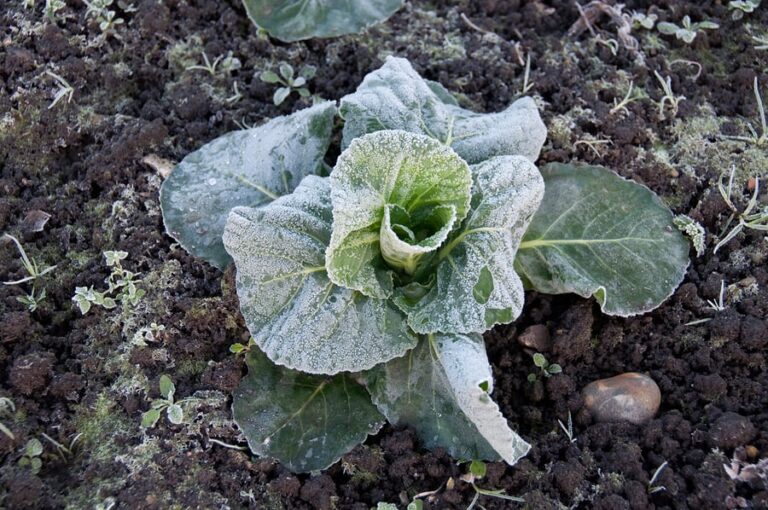
Harvesting Tips for Winter Vegetables: Leaves, Roots, and Greens Without Damaging Plants

Harvesting winter vegetables requires care to maximize yield, extend harvest season, and prevent plant damage. From my years of gardening in Iowa’s Zone 5 winters to year-round winter growing in Sonoma, I’ve learned that proper timing and technique keep crops productive, even in cold temperatures.
Visit the Winter Garden and Season Extension Learning Hub
Here’s how to harvest winter vegetables effectively.
1. Harvesting Leafy Greens
Leafy greens include spinach, kale, arugula, lettuce, and Swiss chard.
Techniques:
- Cut-and-come-again: Pick outer leaves first, leaving the center intact to continue growth
- Snipping with scissors: Reduces damage compared with pulling by hand
- Timing: Harvest mid-morning when plants are crisp and hydrated
My Experience:
In Iowa, cutting outer spinach leaves under row covers allowed continuous harvest through December. In Sonoma, arugula and lettuce remain tender and productive when picked frequently.
2. Harvesting Root Crops
Root crops include carrots, beets, radishes, turnips, and rutabaga.
Techniques:
- Lift carefully: Use a fork or hand trowel to loosen soil around roots
- Harvest progressively: Remove mature roots first, leaving smaller ones to continue growing
- Check soil temperature: Avoid harvesting frozen roots; wait for soil to thaw slightly
My Experience:
In Iowa, lightly mulched carrots could be harvested through January by removing only fully matured roots. In Sonoma, I stagger beet harvests to maintain a continuous supply.
3. Harvesting Herbs and Perennials
Herbs include parsley, chives, sage, thyme, and oregano.
Techniques:
- Snip selectively: Remove outer leaves, leaving inner growth for continued production
- Avoid cutting into woody stems on sage and thyme
- Harvest in dry conditions: Moisture can promote disease during winter
My Experience:
Chives cut in late winter regrow quickly under low tunnels, while sage harvested sparingly retains its flavor and structure.
4. Timing and Frequency
- Harvest frequently for leafy greens to encourage regrowth
- Root crops can be harvested as needed, especially if protected by mulch or tunnels
- Monitor weather; avoid harvesting during frost or snow to prevent plant damage
Tip:
Keep a garden log noting sowing dates, growth stages, and harvest windows to plan continuous winter harvests.
5. Tools and Techniques
- Scissors or garden shears: For leafy greens and herbs
- Hand trowel or fork: For loosening root crops
- Harvest baskets or crates: Avoid bruising tender vegetables
My Experience:
Using small hand tools and gentle handling, I maintained crop quality through multiple harvests in Iowa winters and Sonoma low tunnels.
Key Takeaways
- Harvest outer leaves of greens first to encourage continuous growth.
- Lift root crops carefully; harvest mature roots and leave smaller ones to grow.
- Snip perennial herbs selectively to maintain plant health.
- Harvest during the day when plants are dry and soil is workable.
- Keep records to plan ongoing winter harvests effectively.
Following these harvesting strategies, your winter garden remains productive, healthy, and sustainable, whether in harsh Zone 5 winters or mild Sonoma conditions.