Fruit Trees and Fruit Bushes to Prune in Spring: What, When, and How (and What Not to Prune)

Pruning fruit trees and fruiting bushes in spring is one of the most important tasks you can do to improve plant health, control size, and increase fruit quality. The key is knowing which plants benefit from spring pruning, when to make your cuts, and how much to remove without reducing your harvest.
This guide focuses on fruit trees and fruit bushes that are best pruned in spring, with clear, practical instructions you can follow season after season.
The Basic Rule for Spring Pruning Fruit
Spring pruning is best for fruit plants that flower and fruit on new or current-season growth.
These plants respond to pruning by producing vigorous shoots that support better fruiting later in the season. Spring pruning is also ideal for removing winter damage and shaping young plants.
Avoid heavy spring pruning on plants that bloom early on old wood, unless you are only removing dead or damaged branches.
When to Prune Fruit Trees and Bushes in Spring
- Late winter to early spring, before active growth begins
- After the coldest weather has passed
- As buds swell but before flowers open
In mild climates, pruning may begin in late winter. In colder regions, wait until buds are visible but still tight.
How to Prune Fruit Trees and Bushes
Follow these general principles for all fruiting plants:
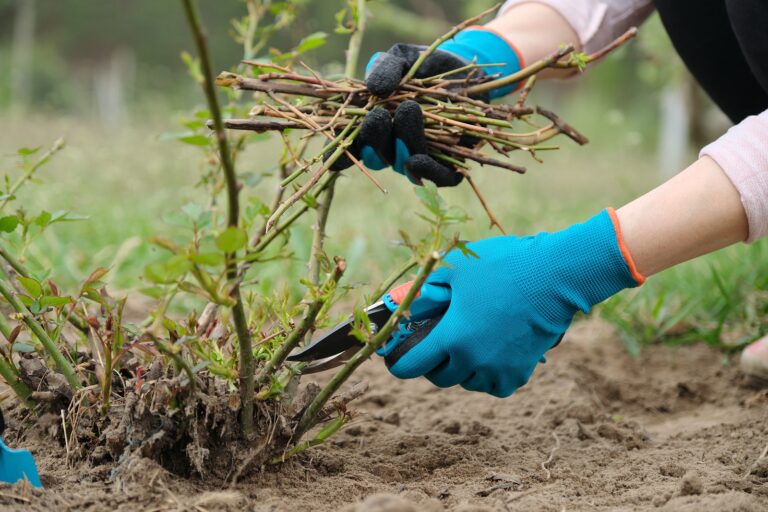
- Remove dead, diseased, or broken wood first
- Cut back to healthy wood just above an outward-facing bud
- Thin crowded branches to allow light and airflow
- Maintain an open center or strong framework, depending on the plant
- Never remove more than one-third of the plant in a single season
Fruit Trees to Prune in Spring
Apple Trees
When: Late winter to early spring
How:
- Remove dead and crossing branches
- Thin crowded interior growth
- Maintain a central leader or open structure
Why: Encourages strong fruiting wood and improves light penetration for better fruit color and flavor.
Pear Trees
When: Late winter to early spring
How:
- Remove upright water sprouts
- Thin dense growth
- Shape young trees carefully
Why: Controls excessive vigor and improves fruit quality.
Peach and Nectarine Trees
When: Late winter to early spring
How:
- Prune aggressively
- Remove up to 40 percent of last year’s growth
- Maintain an open-center shape
Why: Fruits on one-year-old wood and requires annual pruning for reliable harvests.
Plum Trees (Japanese Types)
When: Early spring
How:
- Remove crossing and inward-growing branches
- Lightly thin older wood
Why: Produces fruit on younger wood and benefits from structural pruning.
Fig Trees
When: Early spring
How:
- Remove dead or weak branches
- Thin crowded growth
- Minimal pruning once established
Why: Encourages manageable size and healthy new growth.
Fruit Bushes to Prune in Spring
Blueberries
When: Late winter to early spring
How:
- Remove low-growing and weak canes
- Thin older canes at the base
Why: Improves fruit size and keeps bushes productive.
Raspberries (Fall-bearing / Everbearing)
When: Early spring
How:
- Cut all canes to ground level (for fall-only harvest)
- Thin to strongest canes for dual harvests
Why: Fruits on current-season growth.
Blackberries (Erect Types)
When: Early spring
How:
- Remove winter-damaged canes
- Thin weak growth
Why: Improves airflow and fruiting potential.
Currants and Gooseberries
When: Early spring
How:
- Remove oldest stems at the base
- Maintain a mix of young and mature wood
Why: Encourages consistent fruit production.
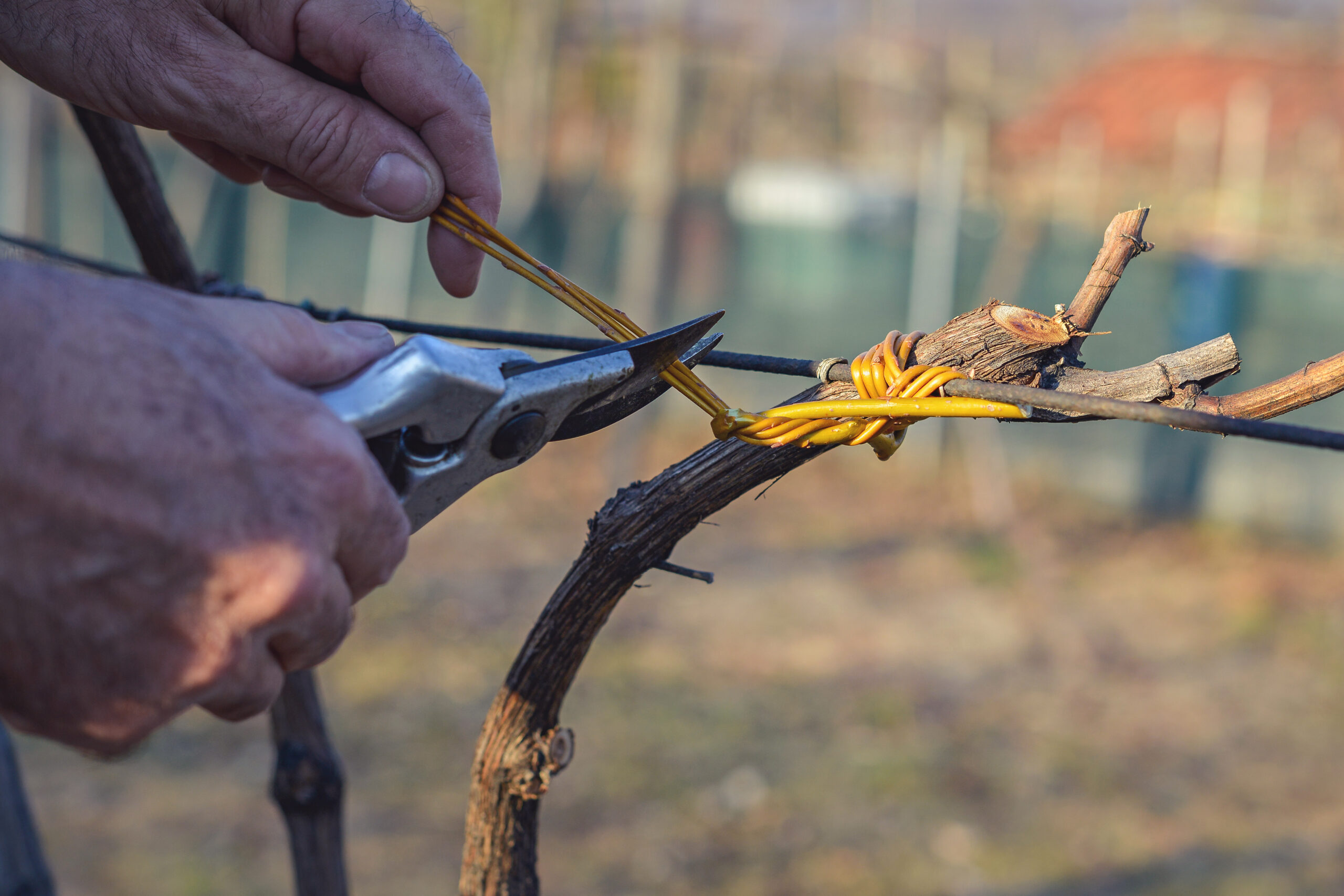
Grapes
When: Late winter to early spring (while dormant)
How:
- Remove dead, damaged, or weak canes
- Cut back last year’s growth, leaving 1–2 strong canes per spur
- Remove excess canes to prevent overcrowding
Why: Encourages strong new growth, better airflow, and higher-quality fruit.
Elderberries
When: Early spring
How:
- Cut back older canes
- Thin heavily for airflow
Why: Fruits best on vigorous new canes.
Early-Blooming Fruit Trees to Avoid Heavy Spring Pruning
Some fruit trees flower very early in spring, often before leaves appear. Because of that, they should NOT be heavily pruned in spring. The best time is usually after harvest or in summer, when disease risk is lower and next year’s flower buds aren’t being removed. Remember, when you remove flowers you are removing potential fruit.
Early-Blooming Fruit Trees to Avoid Pruning in Spring
Sweet Cherries & Sour Cherries
- Bloom: Very early spring
- Best pruning time: Late summer, after harvest
- Why: Spring pruning increases disease risk (especially bacterial canker) and removes flowering wood
Apricots
- Bloom: Very early spring (often first to bloom)
- Best pruning time: Late summer
- Why: Highly susceptible to fungal and bacterial diseases when pruned in wet spring weather
Plums (European types)
- Bloom: Early spring
- Best pruning time: After harvest or mid-summer
- Why: Flowers form on older wood; spring pruning can reduce fruiting
Almonds
- Bloom: Very early spring
- Best pruning time: Late summer after harvest
- Why: Early bloomers that set fruit on older spurs
Peaches & Nectarines (light exception)
- Bloom: Early spring
- Best pruning time: Late winter to very early spring, just before bloom
- Note: These are early bloomers, but they require annual pruning—timing is critical
When Early-Blooming Fruit Trees Should Be Pruned
Best windows:
- Late summer (after harvest) – ideal for cherries, apricots, plums, almonds
- Mid-summer – safe for thinning and size control
- Late winter only for peaches & nectarines
Avoid:
- Early spring pruning during wet weather
- Heavy pruning right before or during bloom
- Fall pruning, which can stimulate tender growth
Quick Rule to Remember
If a fruit tree blooms before leaves fully emerge, don’t prune it in spring.
Finish pruning after harvest or in summer to protect both flowers and tree health.
My Experience With Spring Pruning Fruit
After more than 30 years of growing fruit trees and berries in home gardens—from California’s Central Valley to my current year-round garden in Sonoma Valley—I’ve found that spring pruning is one of the most reliable ways to improve fruit quality and manage plant size. In my own garden, pruning peaches, apples, blueberries, and raspberries in late winter or early spring consistently leads to stronger branching, better light exposure, and more evenly ripened fruit. By observing how different species respond to pruning across multiple seasons, I’ve refined a practical, plant-specific approach that balances healthy growth with dependable harvests.
Final Thoughts
Spring pruning sets the stage for a productive fruiting season. When you understand which trees and bushes benefit from spring cuts—and how to prune them correctly—you’ll be rewarded with healthier plants and better fruit year after year.
When in doubt, prune lightly, observe results, and adjust next season.
Spring & Summer Pruning Quick-Reference Chart
| Fruit Tree or Bush | Bloom Timing | Best Time to Prune | How to Prune | Key Notes |
|---|---|---|---|---|
| Apple | Mid–late spring | Late winter–early spring | Thin crowded branches; shape structure | Fruits on spurs and new growth |
| Pear | Mid–late spring | Late winter–early spring | Remove water sprouts; thin | Avoid heavy pruning to limit vigor |
| Peach | Early spring | Late winter–very early spring | Prune hard; remove up to 40% | Fruits on one-year-old wood |
| Nectarine | Early spring | Late winter–very early spring | Open center; remove old wood | Annual pruning essential |
| Plum (Japanese) | Early spring | Early spring or after harvest | Light thinning | Avoid wet-weather pruning |
| Plum (European) | Early spring | Summer, after harvest | Thin older wood | Blooms on older spurs |
| Apricot | Very early spring | Late summer, after harvest | Light structural pruning | Highly disease-prone in spring |
| Cherry (Sweet & Sour) | Very early spring | Late summer | Minimal pruning | Avoid spring pruning |
| Almond | Very early spring | Late summer | Thin lightly | Sets fruit on older wood |
| Fig | Early spring | Early spring | Minimal thinning | Avoid heavy pruning |
| Blueberry | Spring | Late winter–early spring | Remove oldest canes | Improves fruit size |
| Raspberry (Everbearing) | Summer/fall | Early spring | Cut to ground or thin | Fruits on new canes |
| Blackberry (Erect) | Late spring | Early spring | Remove damaged canes | Thin for airflow |
| Currant | Spring | Early spring | Remove oldest stems | Maintain mixed-age wood |
| Gooseberry | Spring | Early spring | Thin and shape | Similar to currants |
| Elderberry | Late spring | Early spring | Cut back hard | Fruits on new canes |
Remember This
Understanding bloom timing makes pruning decisions much easier. Trees and bushes that fruit on new or current-season growth benefit from spring pruning, while early bloomers are safest pruned after harvest or in summer. When in doubt, prune lightly, observe results, and adjust timing next season.