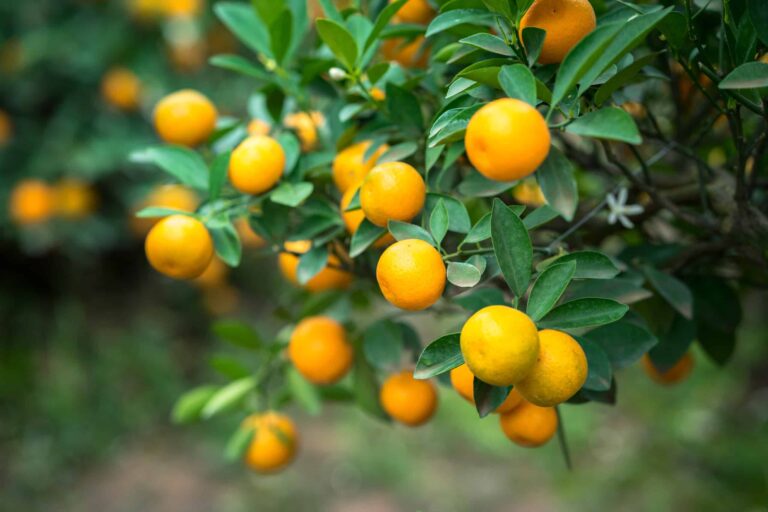
Emergency Freeze Care for Citrus Trees

Citrus trees are beautiful, productive, and a staple of many home and small-scale orchards—but they can be surprisingly vulnerable to cold weather. Even in Zones 8 through 10, winter freezes can appear suddenly, with little warning. One night of frost or a few hours of temperatures dipping below freezing can damage delicate leaves, flowers, fruit, and sometimes even the woody structure of your trees.
The good news is that citrus trees are resilient, and with some careful planning and quick action, most winter damage can be minimized—or even avoided altogether. Emergency freeze care isn’t about fancy equipment or constant attention; it’s about knowing what steps to take before, during, and after a cold snap. From covering and insulating your trees to managing water and monitoring for delayed damage, the right actions can save both your harvest and the long-term health of your trees.
This guide walks you through practical, step-by-step strategies for emergency freeze protection. Whether you grow lemons, limes, oranges, mandarins, satsumas, kumquats, or hybrid varieties like Meyer lemons, these tips will help you act fast and effectively when freezing temperatures threaten your citrus garden.
Emergency Freeze Care for Citrus Trees
24–48 Hours Before the Freeze
1. Water the Soil (Not the Leaves)
- Deeply water the root zone the day before a freeze
- Moist soil holds heat better than dry soil
- Do not water if soil is already saturated
2. Harvest What You Can
- Pick ripe or nearly ripe fruit
- Large fruit freezes faster than wood
- Leave green fruit if protection is adequate
3. Mulch the Root Zone
- Apply 3–4 inches of mulch
- Pull mulch 6 inches away from the trunk
- Focus on young trees and containers
4. Stage Protection Materials
Have ready:
- Frost cloth, old sheets, blankets, burlap
- Stakes or frames (keep covers off leaves)
- Incandescent holiday lights or heat cables
- Clips or weights to seal covers at ground level
Day of the Freeze (Before Sunset)
5. Cover Trees Properly
- Cover to the ground, trapping soil heat
- Use multiple layers for temps below 28°F
- Secure edges tightly—gaps lose heat fast
6. Add Gentle Heat (If Available)
- Use incandescent (not LED) lights
- Place lights under canopy, not touching fabric
- Avoid space heaters unless designed for outdoor use
7. Protect Containers First
- Move pots to:
- South-facing walls
- Garages, porches, or indoors overnight
- Elevate pots off cold ground with wood blocks
During the Freeze (Night Of)
8. Leave Covers On
- Do not remove covers during the night
- Disturbing trapped air loses heat
9. Avoid Sprinklers for Home Gardens
- Overhead irrigation is risky without constant flow
- Ice formation can worsen damage if mismanaged
Morning After the Freeze
10. Uncover Slowly
- Remove covers after temperatures rise above freezing
- Avoid sudden sun exposure on frozen tissue
11. Do NOT Prune Yet
- Damaged leaves may look worse over days
- Wait until spring growth resumes to assess damage
Following Days & Weeks
12. Monitor for Delayed Damage
Symptoms appear 1–4 weeks later:
- Leaf drop
- Blackened twigs
- Split bark
13. Resume Normal Watering
- Keep soil evenly moist, not wet
- Avoid fertilizing until spring
14. Protect Again if Needed
- Multiple freezes cause more damage than one hard freeze
- Re-cover if additional cold nights are forecast
Emergency Temperature Thresholds (Quick Reference)
| Temperature | Action |
|---|---|
| 32–30°F | Cover tender citrus, young trees |
| 29–26°F | Cover all citrus; add heat |
| 25–20°F | Multi-layer covers + heat essential |
| Below 20°F | Expect damage; prioritize tree survival |
What Not to Do
- ❌ Don’t prune immediately after a freeze
- ❌ Don’t fertilize stressed trees
- ❌ Don’t rely on plastic alone (causes burn)
- ❌ Don’t uncover too early on cold mornings
Emergency Priorities (If Time Is Short)
- Containers indoors
- Young trees covered
- Fruit-heavy branches protected
- Tender citrus (lemons, limes)
- Cold-hardy types last
Final Reminder
Freeze damage is cumulative. One well-handled freeze may cause little harm; repeated unprotected freezes compound injury. Quick action, soil moisture, and proper covering make the difference between cosmetic leaf damage and losing a tree.