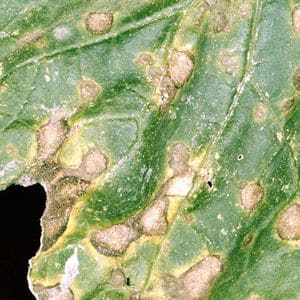
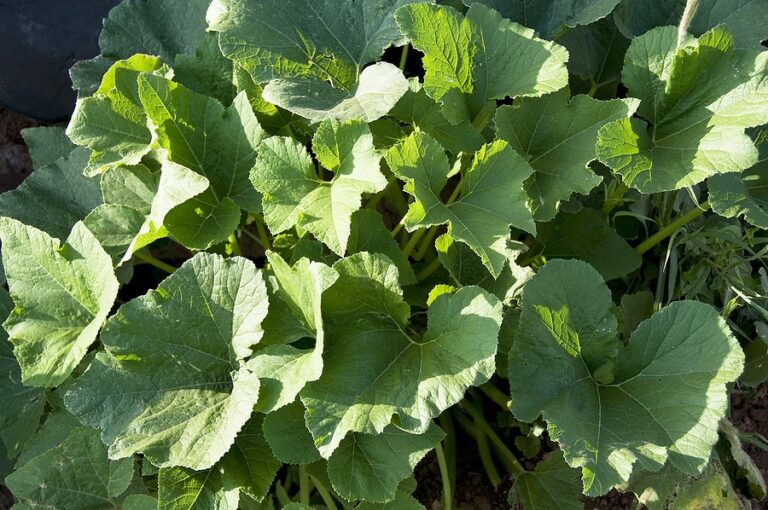
Disease Prevention in Low Light Winter Gardens: Avoiding Mold, Mildew, and Fungal Issues Under Covers

Winter gardens under tunnels, row covers, and cold frames can create low-light, high-humidity conditions that encourage mold, mildew, and other fungal diseases. From my experience growing winter vegetables in Iowa’s Zone 5 and Sonoma, managing airflow, moisture, and spacing is critical to keep crops healthy and productive throughout the season.
Visit the Winter Garden and Season Extension Learning Hub
Here’s how to prevent disease in winter gardens.
1. Understanding Disease Risks in Winter Gardens
- Low light and limited airflow create humid microclimates ideal for fungal growth
- Overcrowded crops increase moisture retention and reduce sunlight penetration
- Waterlogged soil encourages root rot and damping-off in seedlings
My Experience:
In Iowa, spinach and kale under low tunnels developed mildew when sides remained closed too long. In Sonoma, leafy greens stayed disease-free with proper ventilation and spacing.
2. Ventilation Strategies
- Open tunnel sides or cold frame lids during sunny winter days to reduce humidity
- Use roll-up sides on low tunnels for adjustable airflow
- Avoid sealing covers completely for prolonged periods; slight openings maintain airflow without losing heat
Tip from My Experience:
I always vent low tunnels mid-morning, even in cold weather, to prevent condensation buildup on leaves.
3. Spacing and Plant Management
- Thin seedlings to avoid overcrowding
- Plant taller crops on the north side to prevent shading smaller crops
- Remove dead or damaged leaves promptly to reduce fungal inoculum
My Experience:
In Iowa, thinning kale seedlings and removing lower leaves reduced powdery mildew in cold-season tunnels. In Sonoma, proper spacing keeps winter salad greens crisp and disease-free.
4. Soil and Water Practices
- Water at the base, avoiding wetting leaves
- Mulch lightly to reduce soil splash that spreads pathogens
- Ensure good drainage in raised beds and containers
- Avoid overwatering, especially under low light and enclosed structures
My Experience:
Hand watering in the morning under tunnels kept leafy greens hydrated but prevented leaf moisture accumulation, minimizing fungal outbreaks.
5. Disease-Resistant Varieties
- Choose cold-tolerant, disease-resistant greens such as winter spinach, kale, and Swiss chard
- Monitor local seed catalogs for winter-hardy cultivars with powdery mildew or downy mildew resistance
My Experience:
I found that selecting resistant varieties reduced fungal problems in both Iowa and Sonoma, even under enclosed tunnels.
Key Takeaways
- Low-light winter gardens are prone to mold, mildew, and fungal diseases.
- Ventilation and airflow are essential to prevent humidity buildup.
- Proper spacing, thinning, and pruning reduce disease risk.
- Water carefully at the base and ensure well-drained soil.
- Use disease-resistant varieties and monitor regularly for early signs of problems.
By applying these disease prevention strategies, your winter vegetables stay healthy, productive, and resilient, whether in cold Zone 5 winters or mild Sonoma conditions.