Planting

  • Drought-Tolerant Gardens

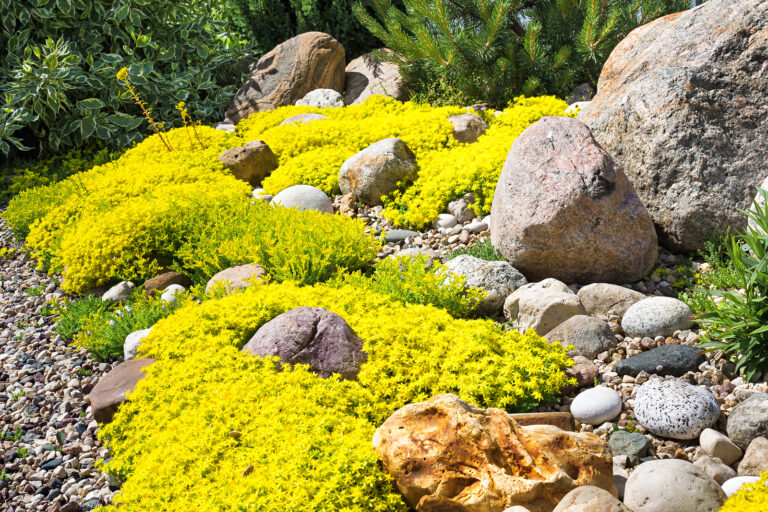
    Ample water is not a requirement for a beautiful garden. Water-conservation in the garden is very doable. Water-smart gardening can save time and money. A drought-tolerant garden makes the most of the water it gets. “Xeriscaping” is a term used for growing naturally drought-adapted plants using water-saving methods. A xeriscape does not need to look…

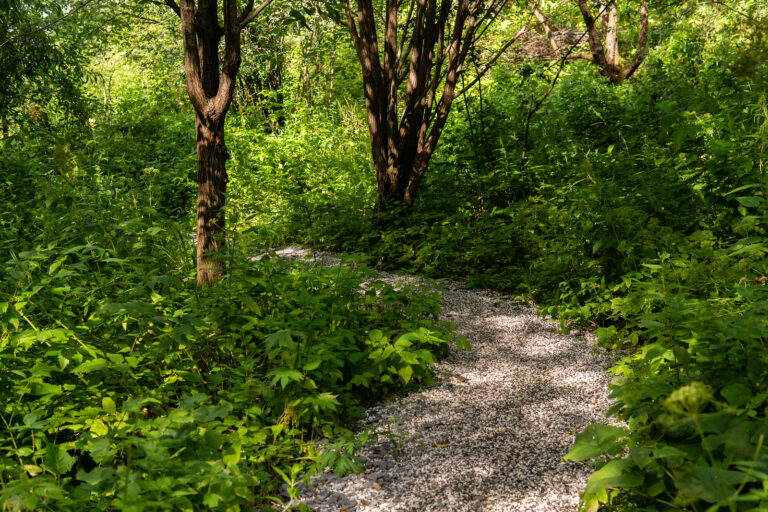
  • Shade Gardening

    Some plants thrive in shade. You can still have a garden even if all you have is shade. Just know, plants that thrive in shade are not the same plants that thrive in sunlight. A shade garden is defined by the outlines of shadows cast by buildings, walls and fences, trees, and shrubs. Types of…

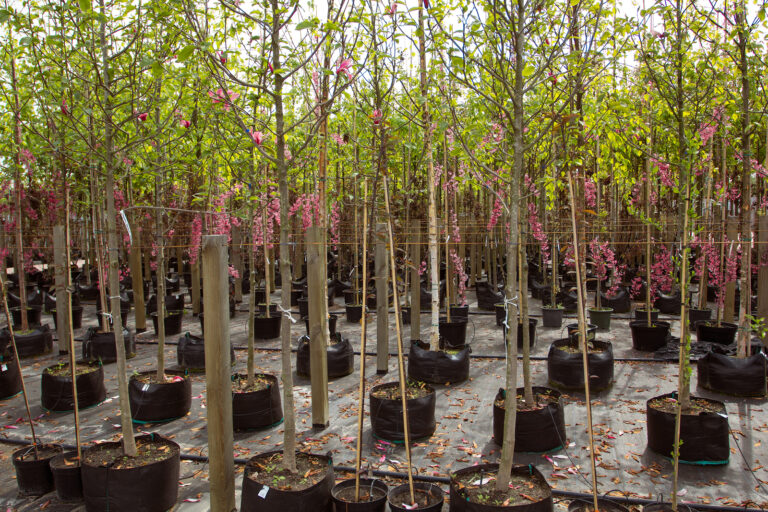
  • Trees in Garden Design

    Trees are commonly the largest and tallest elements in a garden or landscape design. They also take the longest time to grow. Trees are commonly defined as woody plants with single or multi-trunks that are greater than 20 feet high. There are dwarf and miniature trees shorter than 20 feet, but they are often treated…

  • Designing with Vines

    Vines create tremendous vertical effects while using little horizontal space. They can be an asset to a garden’s color, texture, and form. If a garden is small, with a lot of wall or other vertical space, vines become an important design element. Vines can complement architecture or other hardscape in a garden or landscape. Vines…