Best Vegetables for Beginners to Grow and Why

Start your garden with confidence. If you’re new to vegetable gardening, success comes from choosing crops that germinate reliably, grow steadily, and forgive small mistakes. Some vegetables thrive even when watering isn’t perfect or weather conditions varies, making them ideal confidence builders for first-time gardeners.
After decades of growing vegetables in very different climates—and teaching beginning gardeners along the way—I’ve learned that starting with the right crops makes all the difference. I’ve coached new gardeners as a college instructor, as a Sonoma County Master Gardener, and now as Lead Farmer at Sonoma Garden Park. Across all those experiences, the same lesson holds true: dependable vegetables and proven varieties help beginners build confidence, learn essential skills, and enjoy early, satisfying harvests.
Start with these dependable vegetables and proven varieties, and you’ll be harvesting sooner than you expect.
Lettuce
You’ll often hear me recommend lettuce as a first crop, and there’s a good reason. Lettuce gives you fast, visible results, so you can see right away how your care affects growth. From seed to harvest, it responds quickly to good soil and steady moisture, helping you learn the basic rhythms of gardening without a long wait. It also grows well in small spaces, raised beds, and containers, which means you don’t need a big garden to succeed.
As you grow lettuce, you’ll learn how soil temperature, moisture, and light affect germination and leaf growth. When conditions are right, seeds sprout evenly and leaves expand quickly. When something is off—too dry, too warm, or low fertility—lettuce lets you know immediately. That clear feedback makes lettuce an ideal crop for learning succession planting and timing your harvest for the best flavor and yield.
Why it’s easy: Fast growing, shallow-rooted, and tolerant of cool weather.
Technical takeaway: Lettuce germinates best in cool soil (45–65°F) and stalls quickly when soil dries or overheats.
Easy to grow varieties:
- ‘Black Seeded Simpson’
- ‘Buttercrunch’
- ‘Red Salad Bowl’
When to start: Early spring and again in fall
Where to start: Direct sow in the garden
Lettuce seeds germinate quickly in cool soil. Sow a little every 2–3 weeks for continuous harvest.
Radishes
If you’re just getting started, radishes are one of the fastest ways to build confidence in your garden. You’ll see sprouts in just a few days, and progress happens so quickly that it’s easy to stay motivated. Radishes grow fast and visibly, giving you daily feedback and a clear sense that what you’re doing is working.
As you grow radishes, you’ll learn how spacing and thinning affect plant health and root development. Because they germinate so quickly, radishes show problems early—such as soil crusting, uneven moisture, or crowding. When roots are too close together, results suffer, and you’ll see exactly why thinning matters. That quick cause-and-effect makes radishes an ideal crop for learning how to read young plants and adjust your technique for better harvests.
Why they’re easy: One of the fastest vegetables from seed to harvest.
Technical takeaway: Overcrowding is the primary cause of poor radish roots; thinning early is more important than fertilizing.
Easy to grow varieties:
- ‘Cherry Belle’
- ‘French Breakfast’
- ‘Easter Egg’
When to start: Early spring and fall
Where to start: Direct sow in the garden
Radishes are often ready in under 30 days, making them perfect for impatient gardeners.
Green Beans (Bush Types)
Bush beans are a dependable warm-season crop that reward you with steady harvests over several weeks. Because they grow upright without support, they’re easy to manage and don’t require extra structures. As you plant and grow beans, you’ll start to see how soil warmth—not the calendar—controls when seeds sprout and how strong plants become.
By growing bush beans, you’ll learn why planting timing matters so much. In cool soil, seeds can rot or come up unevenly. In warm soil, beans emerge quickly and grow with confidence. Paying attention to soil temperature instead of dates on the calendar will give you far more reliable results, and beans make that lesson clear from the very beginning.
Why they’re easy: Vigorous growers that don’t need staking.
Technical takeaway: Bean seeds rot in cold soil; wait until soil temperatures reach at least 60°F before planting.
Easy to grow varieties:
- ‘Provider’
- ‘Contender’
- ‘Blue Lake Bush’
When to start: After last frost, once soil is warm
Where to start: Direct sow in the garden
Beans dislike transplanting, so sow seeds directly where they will grow.
Zucchini (and Summer Squash)
Zucchini is one of the best vegetables for showing you just how powerful healthy soil can be. Once established, the plants grow fast and produce generously, so you can clearly see how your care affects results. As leaves expand and flowers appear, you’ll watch sun, water, and nutrients working together in real time.
By growing zucchini, you’ll learn how plant size, spacing, and soil fertility directly influence yield. When conditions are right, plants grow rapidly, produce both male and female flowers, and set fruit steadily. When water is limited or plants are crowded, production drops quickly. That clear response makes zucchini an excellent teacher of cause and effect—and a valuable crop for building long-term gardening confidence.
Why they’re easy: High-yielding plants that grow quickly.
Technical takeaway: Fruit production drops quickly when plants are water-stressed or crowded, even if foliage looks healthy.
Easy to grow varieties:
- ‘Black Beauty’
- ‘Costata Romanesco’
- ‘Dunja’ (disease-resistant)
When to start: After last frost
Where to start: Direct sow in the garden or start indoors 2–3 weeks early
Just one or two plants can produce plenty for a household.
Tomatoes
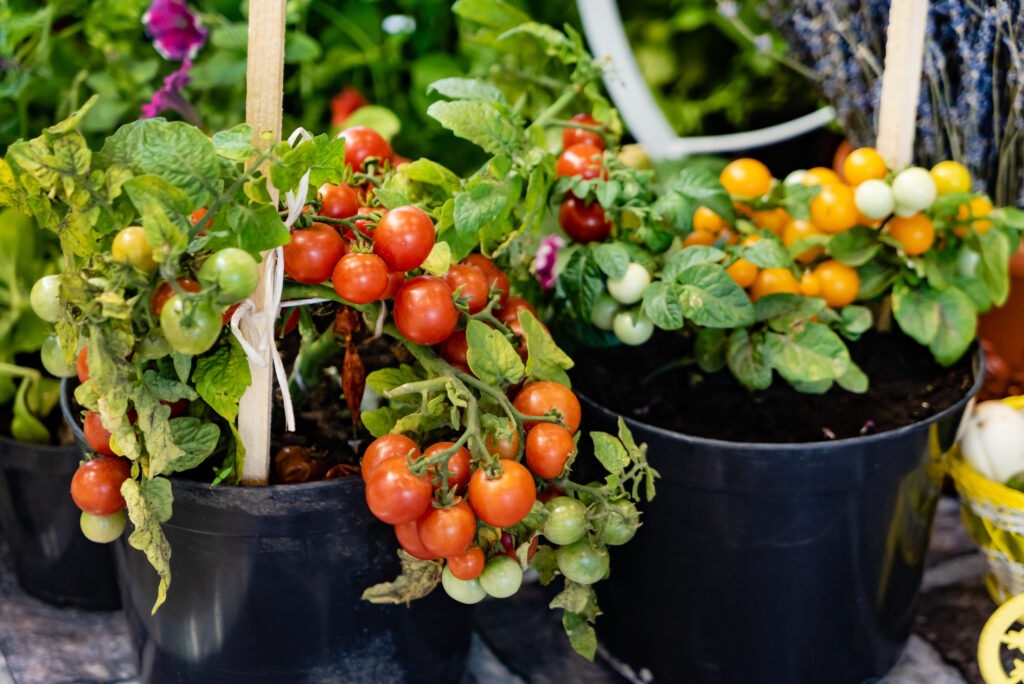
Tomatoes are a favorite for many first-time gardeners, and with the right varieties, you can grow them successfully from the start. As you grow tomatoes, you’ll learn essential skills like transplanting, supporting plants with stakes or cages, and keeping watering consistent. Because tomatoes produce over a long season, they give you plenty of time to practice and improve those skills.
By starting tomatoes indoors and choosing dependable, early-maturing varieties, you’ll avoid many common problems before they begin. You’ll see how protecting young plants from cold stress leads to stronger growth later on. Instead of constantly troubleshooting, you’ll be able to focus on learning plant care and enjoying steady harvests—exactly what beginning gardeners need to build confidence.
Why they’re easy: Productive and adaptable when given sun and support.
Technical takeaway: Cold soil and nighttime temperatures below 50°F slow root growth and delay fruiting for weeks.
Easy to grow varieties:
- ‘Early Girl’
- ‘Roma’
- ‘Sun Gold’ (cherry type)
When to start: Indoors 6–8 weeks before last frost
Where to start: Start indoors, then transplant to the garden
Choose determinate or cherry varieties for the easiest care.
Peppers
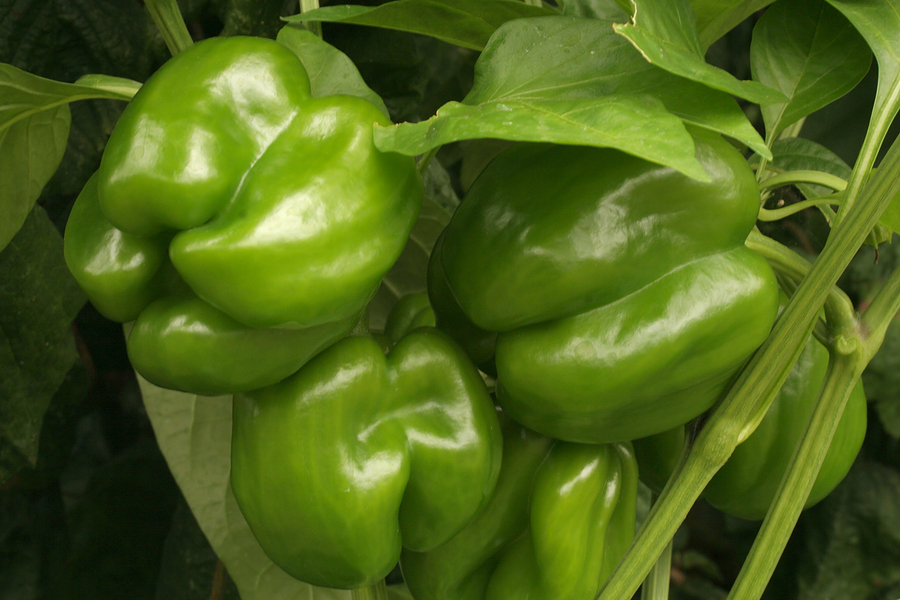
When you grow peppers, you’ll quickly learn the value of patience. Peppers tend to grow slowly at first, but once they’re established, they become forgiving and dependable plants. As soil warms and care stays consistent, growth evens out and plants begin to thrive. Their compact size also makes peppers a great choice for raised beds and containers.
By growing peppers, you’ll learn how warmth and timing affect root development and overall plant health. Early on, plants may seem slow, but as soil temperatures rise, growth becomes steady and predictable. That change helps you recognize how temperature drives success in warm-season crops—and why waiting for the right conditions matters just as much as planting itself.
Why they’re easy: Compact plants that do well in warm conditions.
Technical takeaway: Pepper growth remains slow until soil temperatures consistently exceed 65°F.
Easy to grow varieties:
- ‘California Wonder’
- ‘Ace’
- ‘Jalapeño Early’
When to start: Indoors 8–10 weeks before last frost
Where to start: Start indoors, then transplant to the garden
Peppers like warmth, so starting indoors gives them a strong head start.
Carrots
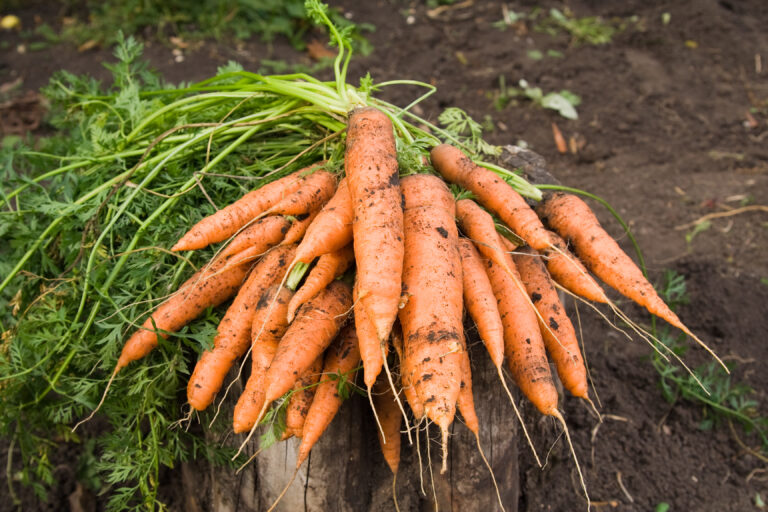
When you grow carrots, you’ll learn to pay attention early—even when there isn’t much to see above ground. Carrots take their time at first, but that quiet start teaches you how important soil preparation and consistent moisture really are. Once they’re established, carrots need very little care and can be harvested gradually over time.
By growing carrots, you’ll learn that success depends more on loose soil and even moisture than on fertilizer. During the first couple of weeks, steady watering makes the difference between success and failure. As you watch carrots emerge and develop, you’ll gain a better understanding of how early-stage care sets the foundation for a strong, reliable harvest.
Why they’re easy: Low-maintenance once established.
Technical takeaway: Uneven moisture during the first 10–14 days leads to poor germination and misshapen roots.
Easy varieties:
- ‘Nantes’
- ‘Danvers 126’
- ‘Little Finger’
When to start: Early spring or late summer
Where to start: Direct sow in the garden
Loose soil and consistent moisture are more important than fertilizer.
Kale
Kale is one of the most dependable leafy greens you can grow, especially when you’re just getting started. It handles cool temperatures, changing weather, and repeated harvesting without trouble. As you harvest kale, you’ll learn how to take what you need while keeping the plant healthy and productive.
By growing kale, you’ll see how cool-season crops respond to temperature and harvest management. Kale continues producing when you harvest outer leaves and leave the growing point intact. That simple practice helps plants last longer and yield more, making kale an excellent crop for learning how thoughtful harvesting supports ongoing success in the garden.
Why it’s easy: Cold-hardy and long-lasting in the garden.
Technical takeaway: Harvesting outer leaves regularly keeps plants productive and prevents premature bolting.
Easy to grow varieties:
- ‘Lacinato’
- ‘Red Russian’
- ‘Dwarf Blue Curled’
When to start: Early spring or late summer
Where to start: Direct sow or start indoors 4–5 weeks early
Kale improves in flavor after light frost and tolerates uneven weather.
Cucumbers
Cucumbers are fast-growing plants that make it easy to see what they need—plenty of sun, warmth, and consistent water. As you watch the vines climb and spread, you’ll learn how spacing and airflow affect plant health and overall productivity. With a little attention early on, cucumbers can become one of the most rewarding crops in your garden.
By growing cucumbers, you’ll see firsthand how uneven watering affects both plant health and fruit quality. When water is inconsistent, fruit can become bitter or misshapen. Learning to recognize these signals early helps you understand how environmental stress shows up in your harvest—and how simple care adjustments lead to better results.
Why they’re easy: Fast growth and high yields in warm weather.
Technical takeaway: Inconsistent watering causes bitterness and misshapen fruit, even on otherwise healthy plants.
Easy to grow varieties:
- ‘Marketmore 76’
- ‘Bush Champion’
- ‘Straight Eight’
When to start: After last frost
Where to start: Direct sow or start indoors 2–3 weeks early
Provide consistent watering to avoid bitterness.
A Beginner’s Tip for Success
Start small. Choose three or four vegetables rather than planting everything at once. Learn how each crop grows, how it responds to your climate, and how much water it needs. Early wins build confidence—and that’s the real harvest for a new gardener.
Beginner Vegetable Planting Checklist
Use this checklist before planting any vegetable to set up early success and avoid the most common beginner mistakes.
1. Choose the Right Planting Method
☐ Direct sow crops with delicate roots (lettuce, radishes, carrots, beans, cucumbers)
☐ Start indoors crops that need warmth or a long season (tomatoes, peppers)
☐ Check transplant age — seedlings should be sturdy, not rootbound
Why it matters: Plants that dislike transplanting stall or fail when started the wrong way.
2. Match Planting Time to Soil Temperature
☐ Cool-season crops: plant when soil is 40–55°F
☐ Warm-season crops: plant when soil is 60–70°F+
☐ Use a soil thermometer, not the calendar
Why it matters: Most germination problems come from cold soil, not bad seed.
3. Prepare the Soil First
☐ Loosen soil at least 6–12 inches deep
☐ Remove clods, stones, and old roots
☐ Add finished compost if soil is compacted or low in organic matter
Why it matters: Roots grow where soil allows them — poor structure limits growth long before nutrients do.
4. Plant at the Correct Depth
☐ Plant seeds no deeper than 2–3× their size
☐ Cover lightly and firm soil gently
☐ Avoid burying small seeds too deeply
Why it matters: Many seeds fail simply because they cannot reach the surface.
5. Water for Germination, Not Saturation
☐ Keep soil evenly moist, never waterlogged
☐ Use a gentle spray to avoid soil crusting
☐ Water shallowly and often until seedlings emerge
Why it matters: Uneven moisture is the #1 cause of patchy germination.
6. Thin Seedlings Early
☐ Thin when seedlings have first true leaves
☐ Follow spacing recommendations — resist the urge to crowd
☐ Remove extra plants at soil level rather than pulling
Why it matters: Crowded plants compete for light, water, and nutrients from day one.
7. Watch the First Two Weeks Closely
☐ Check moisture daily
☐ Protect seedlings from heavy rain, wind, or frost if needed
☐ Look for even color and upright growth
Why it matters: Most planting failures happen before plants are 3 inches tall.
8. Feed Only After Plants Are Established
☐ Wait until seedlings are actively growing
☐ Use light, balanced feeding if needed
☐ Avoid fertilizing stressed or newly planted crops
Why it matters: Fertilizer cannot fix poor soil structure or timing.
9. Label Everything
☐ Label beds or rows at planting
☐ Include variety name and date
☐ Keep notes for future seasons
Why it matters: Good records turn beginner experience into long-term expertise.
10. Start Small and Observe
☐ Plant fewer crops, not more
☐ Learn how each vegetable responds to your conditions
☐ Adjust planting dates and spacing next season
Why it matters: Observation is the fastest way to become a skilled gardener.