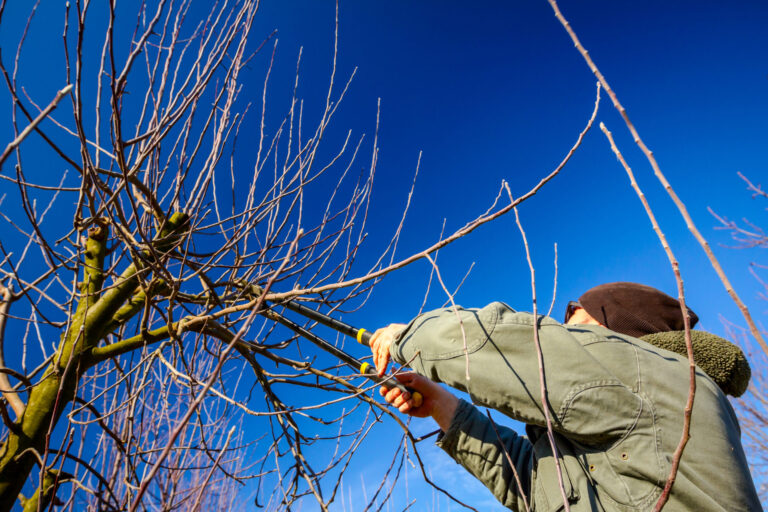
Common Pruning Mistakes (and How to Avoid Them)

Pruning is one of the most powerful tools a gardener has—but it’s also one of the easiest to get wrong. I’ve seen healthy plants set back for an entire season by a few poorly timed or poorly placed cuts. The good news? Most pruning mistakes are common, predictable, and completely avoidable once you know what to watch for.
Whether you’re pruning trees, shrubs, roses, or vegetables, avoiding these mistakes will lead to healthier plants, better structure, and more flowers and fruit.
1. Pruning at the Wrong Time
The mistake: Pruning without knowing when the plant sets buds or flowers.
Why it happens: Many gardeners assume all pruning should happen in winter or early spring.
Know What to Plant This Week
Every week I answer the gardener's most important question: what should I plant now? Get seasonal planting advice free — or go Pro for my full Soil Temperature Garden Report, with soil temperature, moisture, weather trends, and crop-by-crop recommendations.
What goes wrong:
You may remove flower buds, reduce fruit production, or stimulate tender growth that gets damaged by cold.
What to do instead:
- Spring-blooming shrubs: prune after flowering
- Summer-blooming shrubs: prune late winter or early spring
- Fruit trees: prune mostly during dormancy, with light summer pruning if needed
When in doubt, identify when the plant blooms before making cuts.
2. Removing Too Much at Once
The mistake: Heavy pruning in a single session.
Why it happens: It’s tempting to “fix everything” at once.
What goes wrong:
Plants respond with stress growth, weak shoots, sunburned bark, or reduced flowering.
What to do instead:
- Follow the one-third rule: never remove more than one-third of a plant in a single season
- Spread major pruning over two or three seasons for mature plants
3. Making Poor Cuts
The mistake: Leaving stubs, cutting too close, or tearing bark.
Why it happens: Dull tools or uncertainty about where to cut.
What goes wrong:
Stub cuts invite disease; flush cuts damage healing tissue.
What to do instead:
- Cut just outside the branch collar
- Make clean, angled cuts
- Use sharp, well-maintained tools
4. Not Knowing the Difference Between Old and New Growth
The mistake: Cutting productive wood instead of non-productive wood.
Why it happens: Beginners often can’t tell growth stages apart.
What goes wrong:
Reduced blooms, fewer fruits, or weak regrowth.
What to do instead:
Learn how to identify:
- Bud shape and placement
- Bark color and texture
- Flexibility of stems
(This skill alone dramatically improves pruning results.)
5. Shearing Plants That Should Be Selectively Pruned
The mistake: Using hedge shears on shrubs that need individual cuts.
Why it happens: Shearing is fast and feels tidy.
What goes wrong:
Dense outer growth, poor airflow, and bare interiors.
What to do instead:
- Use selective thinning cuts for most shrubs
- Reserve shearing for formal hedges only
6. Ignoring Plant Structure
The mistake: Pruning for size instead of shape.
Why it happens: Gardeners focus on controlling growth rather than guiding it.
What goes wrong:
Weak branching, crossing limbs, and poor long-term structure.
What to do instead:
Always prune with these goals in mind:
- Strong branch angles
- Open centers for airflow
- Balanced growth
7. Skipping Tool Care and Sanitation
The mistake: Using dull or dirty tools.
Why it happens: Tool care is often overlooked.
What goes wrong:
Crushed stems, slow healing, and disease spread.
What to do instead:
- Sharpen tools regularly
- Clean blades between plants when disease is present
- Match the tool to the cut (shears vs. loppers vs. saw)
8. Pruning Out of Habit, Not Need
The mistake: Pruning because “it’s time,” not because the plant needs it.
Why it happens: Calendar-based gardening without observation.
What goes wrong:
Unnecessary stress and lost productivity.
What to do instead:
Prune with intention:
- Remove dead, damaged, or diseased growth first
- Then address structure and airflow
- Only reduce size if truly needed
9. Treating All Plants the Same
The mistake: Applying one pruning method to everything.
Why it happens: General advice taken too literally.
What goes wrong:
Plants with different growth habits respond poorly to generic pruning.
What to do instead:
Always account for:
- Plant type (tree, shrub, vine, vegetable)
- Growth habit
- Flowering and fruiting patterns
Final Thoughts
Good pruning isn’t about cutting more—it’s about cutting better. The more you observe your plants and understand how they grow, the more confident and effective your pruning becomes. Avoiding these common mistakes will save you time, protect your plants, and dramatically improve results season after season.
If you’re ever unsure, pause, step back, and remember: you can always take more off later—but you can’t put it back on.