Flowering Shrubs to Prune in Spring: What, When, and How

Pruning flowering shrubs can feel confusing—especially in spring, when plants are waking up and buds are forming. Prune at the wrong time, and you risk cutting off flowers. Prune at the right time, and you’ll encourage healthier growth, better shape, and more blooms down the road.
This guide focuses only on shrubs that should be pruned in spring, explains when and how to prune them, and includes specific pruning tips for each plant so you know exactly what to do.
The Golden Rule of Spring Pruning
Before grabbing the pruners, remember this simple rule:
Spring is for shrubs that bloom on new wood.
Know What to Plant This Week
Every week I answer the gardener's most important question: what should I plant now? Get seasonal planting advice free — or go Pro for my full Soil Temperature Garden Report, with soil temperature, moisture, weather trends, and crop-by-crop recommendations.
New wood means growth produced in the current season. These shrubs flower in late spring, summer, or fall—and pruning them in early spring won’t sacrifice blooms. In fact, it usually improves flowering.
Avoid spring pruning for shrubs that bloom early in the year (like lilac or forsythia). Those bloom on old wood and should be pruned after flowering, not in spring.
When to Prune Flowering Shrubs in Spring
- Late winter to early spring is ideal
- Prune before active growth begins, but after the coldest weather has passed
- In mild climates, pruning may start in late winter
- In colder regions, wait until buds begin to swell
A good visual cue: tight buds are fine, open flowers are not.
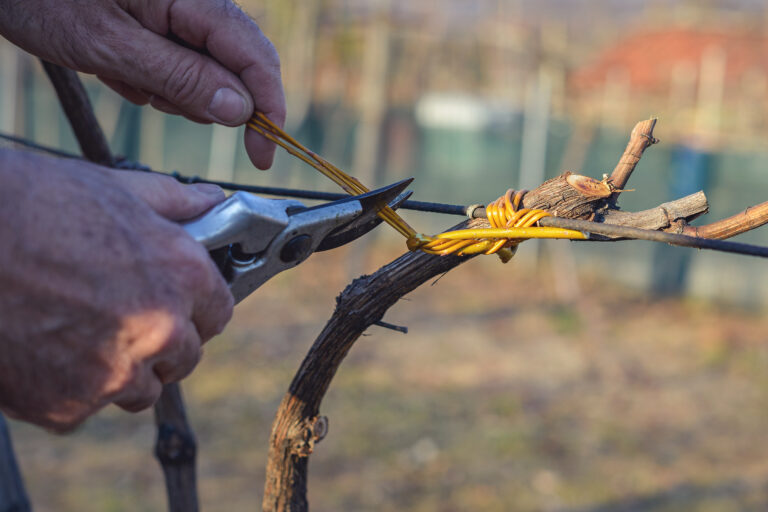
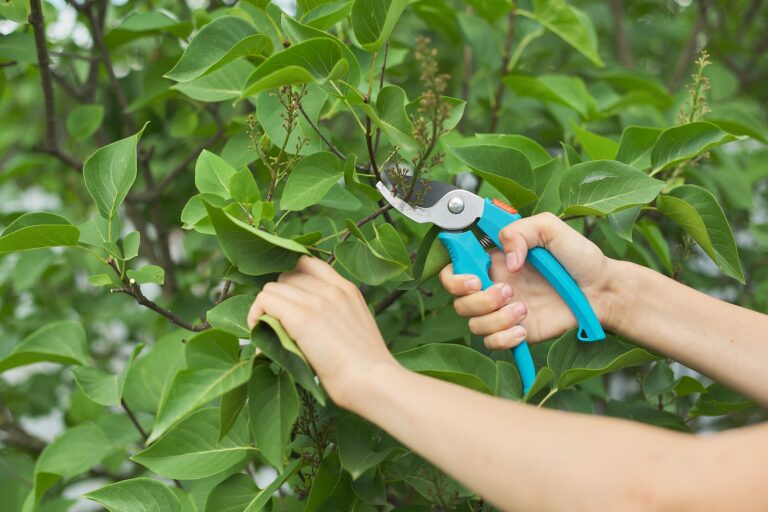
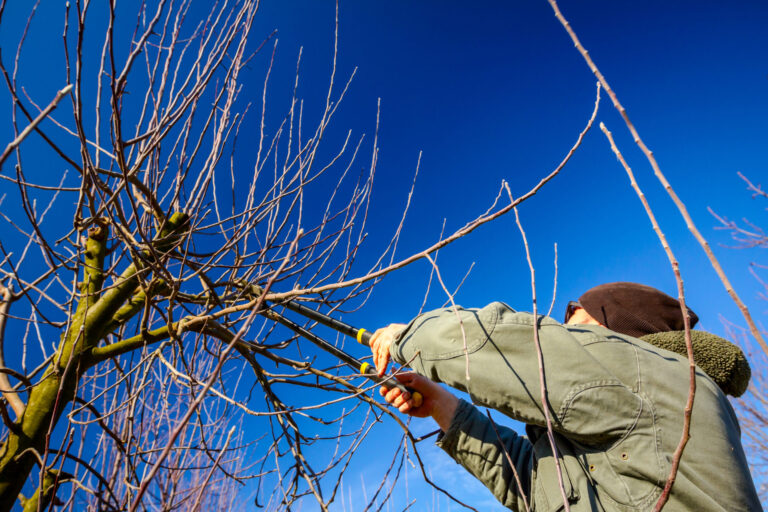
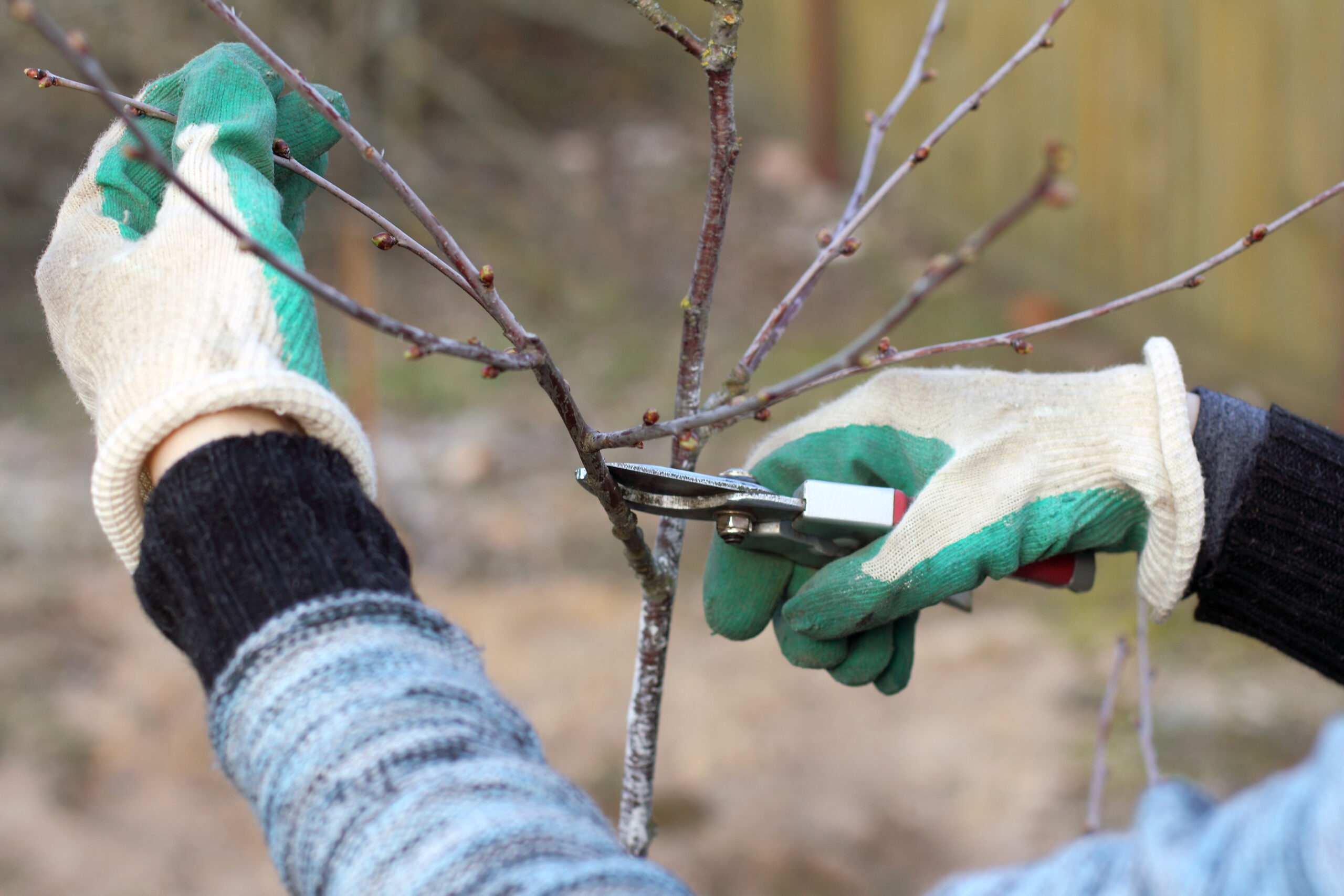
How to Prune Flowering Shrubs in Spring
No matter the shrub, follow these basics:
- Remove dead, damaged, or diseased wood first
- Cut back to healthy wood just above an outward-facing bud
- Thin crowded stems to improve air circulation
- Shape gradually—never remove more than one-third of the plant at a time
- Use sharp, clean pruners to make clean cuts
Flowering Shrubs to Prune in Spring (With Details)
Butterfly Bush (Buddleja)
When: Early spring
How:
- Cut back hard—often to 12–24 inches tall
- Remove weak or spindly stems completely
- Encourage strong new shoots for larger flower spikes
Why: Blooms on new wood; hard pruning improves flower size and plant shape.
Rose of Sharon (Hibiscus syriacus)
When: Early to mid-spring
How:
- Thin crowded branches
- Shorten last year’s growth by one-third
- Remove crossing or inward-growing branches
Why: Flowers form on new wood; pruning controls size and increases blooms.
Panicle Hydrangea (Hydrangea paniculata)
When: Late winter to early spring
How:
- Cut back stems to healthy buds
- Reduce height by one-third to one-half
- Remove weak interior growth
Why: Blooms on new wood and responds well to spring pruning.
Smooth Hydrangea (Hydrangea arborescens)
When: Early spring
How:
- Cut back to 12–18 inches above ground
- Remove thin or floppy stems
Why: Heavy blooms form on new wood; pruning prevents flopping and improves structure.
Bluebeard (Caryopteris)
When: Early spring
How:
- Cut back to 6–12 inches
- Remove winter-damaged stems
Why: Dies back in winter and blooms on fresh growth.
Beautyberry (Callicarpa)
When: Early spring
How:
- Thin older stems at the base
- Reduce overall size by up to one-third
Why: Produces flowers and berries on new growth.
Potentilla (Potentilla fruticosa)
When: Early spring
How:
- Remove dead wood
- Lightly shear or selectively thin
Why: Blooms on new growth and benefits from rejuvenation pruning.
Spirea (Summer-blooming varieties)
When: Early spring
How:
- Cut back last year’s growth by one-third
- Remove older woody stems
Why: Summer-blooming spireas flower on new wood.
Roses (Shrub and Hybrid Types)
When: Early spring, as buds swell
How:
- Remove dead and weak canes
- Cut back to outward-facing buds
- Reduce height by one-third to one-half
Why: Spring pruning encourages vigorous flowering shoots.
Buttonbush (Cephalanthus occidentalis)
When: Early spring
How:
- Thin crowded stems
- Cut back long shoots
Why: Blooms on new wood and responds well to shaping.
Shrubs NOT to Prune in Spring
Avoid spring pruning for these popular shrubs:
- Lilac
- Forsythia
- Azalea
- Rhododendron
- Viburnum (spring-flowering types)
- Weigela
Prune these right after flowering, or you’ll remove next year’s blooms.
My Experience With Spring Pruning
After more than 30 years of gardening—starting in California’s Central Valley and continuing year-round in Sonoma Valley—I’ve learned that spring pruning is less about strict rules and more about understanding how each shrub grows. In my own raised beds and landscape plantings, shrubs that bloom on new wood consistently respond with stronger stems, better airflow, and noticeably heavier flowering when pruned in early spring. I’ve also seen firsthand how skipping or mistiming pruning leads to leggier plants and fewer blooms. By observing bud formation, seasonal growth patterns, and long-term plant health in my own garden, I’ve refined a spring pruning approach that prioritizes plant vigor, flowering performance, and long-term structure.
Final Thoughts
Spring pruning doesn’t have to be intimidating. Once you know which shrubs bloom on new wood, the decision becomes easy. Pruning at the right time leads to healthier plants, better airflow, and more abundant flowers throughout the growing season.
When in doubt, remember: summer and fall bloomers = spring pruning.
Your shrubs will thank you with stronger growth and better blooms.
Spring Pruning Quick-Reference Chart
| Shrub | When to Prune | How Much to Prune | Key Tip |
|---|---|---|---|
| Butterfly Bush (Buddleja) | Early spring | Cut back hard to 12–24 inches | Blooms best on vigorous new shoots |
| Rose of Sharon | Early–mid spring | Remove up to one-third | Thin to control size and shape |
| Panicle Hydrangea | Late winter–early spring | One-third to one-half | Prune to strong buds |
| Smooth Hydrangea | Early spring | Down to 12–18 inches | Prevents floppy stems |
| Bluebeard (Caryopteris) | Early spring | Cut back to 6–12 inches | Treat like a perennial |
| Beautyberry | Early spring | Up to one-third | Remove oldest stems first |
| Potentilla | Early spring | Light thinning or shearing | Remove dead wood annually |
| Summer-Blooming Spirea | Early spring | About one-third | Rejuvenates flowering |
| Shrub & Hybrid Roses | Early spring | One-third to one-half | Cut to outward-facing buds |
| Buttonbush | Early spring | Light shaping | Avoid heavy cuts in wet soils |