Archive | Vegetables RSS feed for this section

Florence Fennel: Kitchen Basics

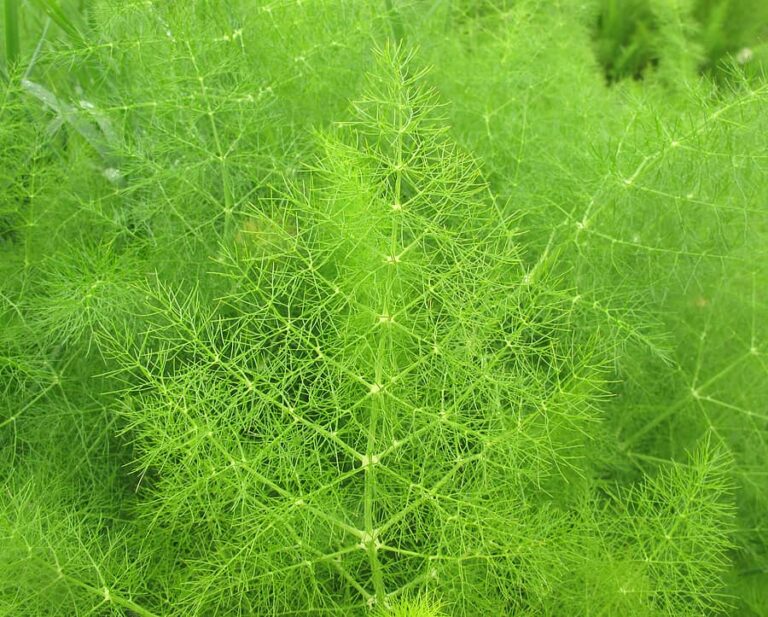
For a light delicate taste reminiscent of licorice and anise, choose Florence fennel. Florence fennel–which is also known as bulb fennel and in Italy as finnochio—is a pale-green, feathery-topped vegetable, with celery-like stems and swollen bulb-like base of overlapping broad layers. Fennel can be served raw in wedges or sticks, finely sliced in salads, parboiled, [...]

Continue Reading

Round-headed Cabbage: Kitchen Basics

There are three kinds of round-headed cabbage: white, red, and Savoy. The leaves of the white and red cabbage are usually smooth and shiny with prominent veins. The leaves of the Savoy cabbage are light green and crinkled. Cooked right these cabbages can be crisp with a mild and sweet flavor. Round-headed cabbage can be [...]

Continue Reading

Kale: Kitchen Basics

Kale is a great match with hearty foods such as pork chops, fried catfish, garlickly sausage, and cornbread. A winter vegetable that goes practically undisturbed even by snow, kale can come fresh harvested to the table in mid-winter in even the most severe climates. Kale is a non-heading member of the cabbage family—very similar to [...]

Continue Reading

Sweet Potato: Kitchen Basics

• A sweet potato is not a potato, and it is not a yam. • A sweet potato can be prepared in just about every way a potato can. • What most people in North America call a yam is really an orange-fleshed sweet potato. The three sentences above are the basics of sweet potatoes. [...]

Continue Reading

Cardoon: Kitchen Basics

That bunch of silvery gray-green stalks that resembles a giant bunch of wide, flat celery is cardoon. Unlike celery the color of cardoon is dull not bright, and its texture is subtle not crisp. Cardoon is available fresh and local from winter through early spring. Cardoon has a more bitter than sweet taste that hints [...]

Continue Reading

Collards: Kitchen Basics

If you’d like to add a little spice to a salad try a bit of fresh chopped or shredded collards. As well, cooked collards can be added to soups and stews. Collards can be steamed, braised, and stir-fried. Combine collards with mashed potatoes, sweet potatoes, or beans and puree. Steamed, collards are a good match [...]

Continue Reading

Black Spanish Radish

The Black Spanish Radish will add a zingy addition to a fresh garden salad. Some radishes—such as the French breakfast radish—can be mild and almost sweet. Others have a peppery flavor that will zip up your palate right into your nostrils. The black Spanish radish is one of them. The black Spanish radish is a winter-keeping [...]

Continue Reading

Rainbow Chard: Kitchen Basics

Chard—which is often called Swiss chard in the United States and is known as silver beet or sea kale beet in Britain—can still be found locally fresh just about everywhere that snow has not yet hit the ground. Chard is harvested from late spring until late fall. Right now keep your eyes peeled for rainbow [...]

Continue Reading

Gold Ball Turnips

You might not think of a turnip the way you do a carrot, but you could. Turnips can be eaten raw or cooked. Like a carrot, the turnip can be boiled or steamed. You can serve them in soups and stews or puréed, stuffed or braised. There are two seasons of the year when turnips [...]

Continue Reading

Brussels Sprouts at the Farmers’ Market

Brussels sprouts are at the farm market fresh from early fall to early spring. But the tastiest Brussels sprouts come on the market after the first good frost of the year. If you poke your head outside or look at the weather map, that means you are going to find fresh, great tasting Brussels sprouts [...]

Continue Reading