The Ultimate Guide to Growing Winter Squash

Growing winter squash is one of the most rewarding experiences in the garden. With the right care, you can harvest flavorful, nutrient-rich squash that stores well for months, providing homegrown goodness long after the growing season ends. Over the years, I’ve grown a wide variety—including butternut, acorn, delicata, and kabocha—and I’ve learned firsthand what works (and what doesn’t) when it comes to planting, pollination, pest control, and curing for long-term storage.
I’ve made my share of mistakes, from planting too early in cool soil to battling stubborn squash vine borers. But with each season, I’ve refined my approach, and now I’m sharing my best tips with you. In this guide, I’ll take you step by step through selecting the right varieties, planting at the optimal time, caring for your plants, troubleshooting common issues, and ensuring a successful harvest.
Whether you’re a first-time gardener or looking to improve your squash yields, this guide will provide you with practical, experience-backed advice to help you grow an abundant crop. Let’s dig in!
What Is Winter Squash?
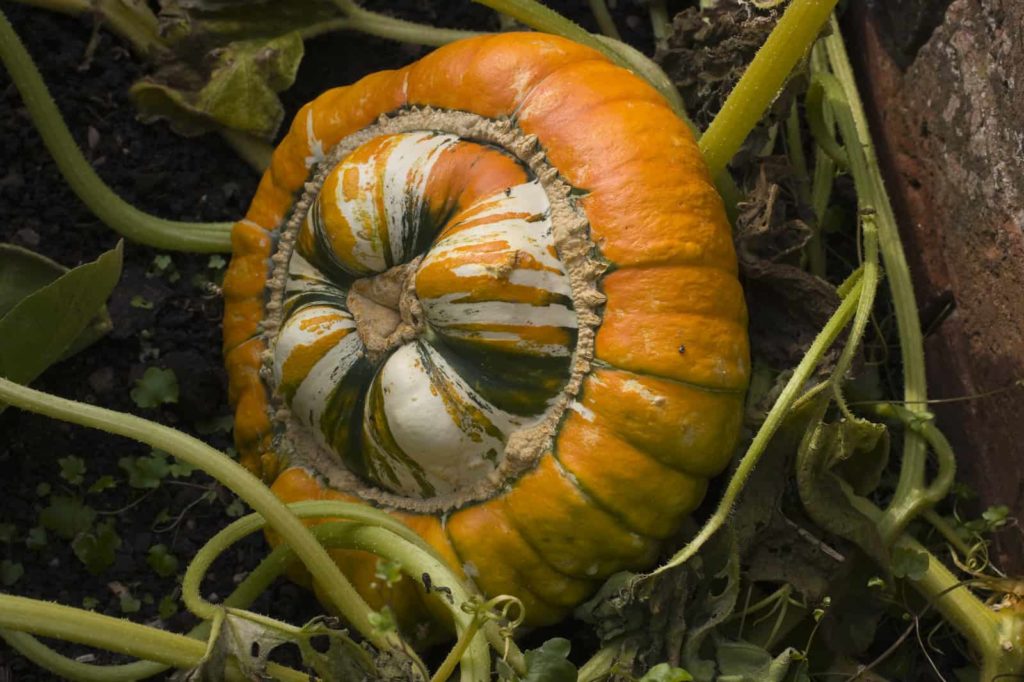
Winter squash includes a wide variety of thick-skinned squashes that are harvested at full maturity and can be stored for weeks or even months. Unlike summer squash, which is harvested immature with tender skin, winter squash develops a hard rind and dense, sweet flesh. Common types include butternut, acorn, kabocha, Hubbard, and spaghetti squash.
There are three main species commonly grown in home gardens:
- Cucurbita pepo – Includes acorn, spaghetti, and Delicata squash (great for fall eating).
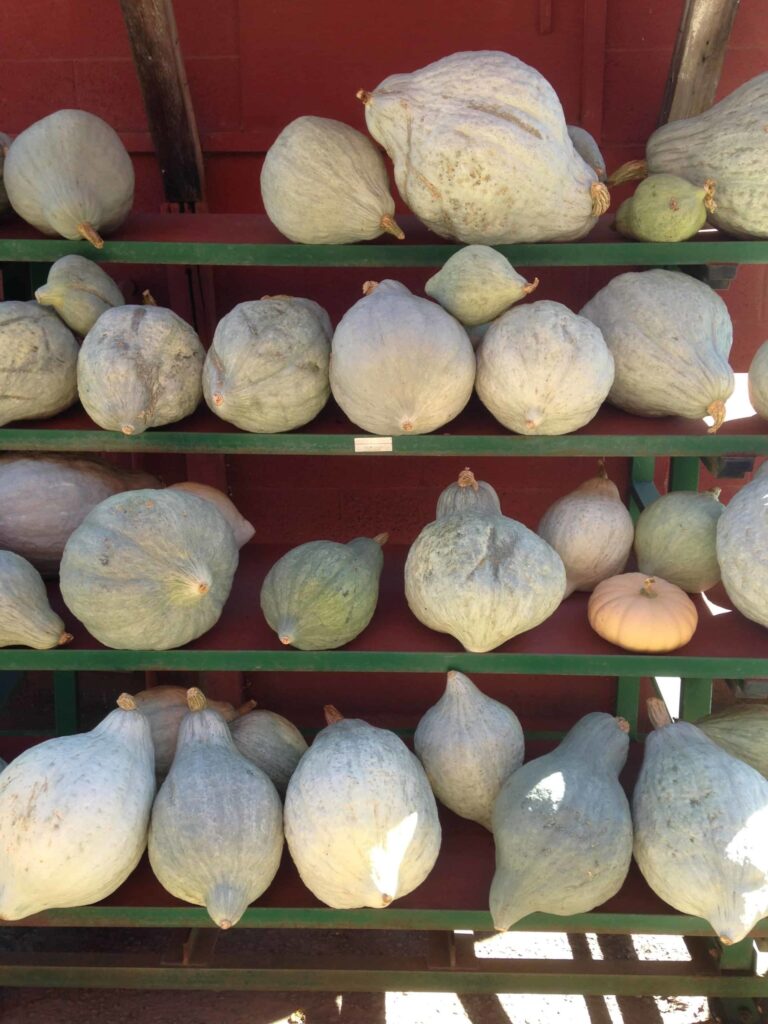
- Cucurbita maxima – Includes kabocha, banana, and Hubbard squash (best for mid-winter).
- Cucurbita moschata – Includes butternut squash (longest storage life into spring).
👉 Learn more in our post:
When and Where to Plant Winter Squash
Winter squash needs a long growing season and thrives in full sun with warm soil. In most regions, you’ll want to plant winter squash after the last frost date, when soil temperatures are consistently above 60°F (15°C). If you have a short growing season, consider starting seeds indoors a few weeks before transplanting.
Choose a spot with rich, well-draining soil and plenty of space. Winter squash vines can spread 10 feet or more, so plan accordingly. If you’re working in a small space, look for bush or semi-bush varieties or train vines vertically on a strong trellis.
How to Plant Winter Squash
Direct sowing is the most common method, but transplanting young seedlings can help get a head start. Plant seeds 1 inch deep, in hills or rows, depending on your garden layout. Space hills 4–6 feet apart, or rows 3–4 feet apart with 2–3 feet between plants. Thin seedlings to the strongest plants once they’ve sprouted.
To give your squash the best start, mix in compost or aged manure before planting and consider using row covers to protect young plants from early pests and cool nights.
👉 Step-by-step guide:
Winter Squash Care and Maintenance
Proper care during the growing season is critical for strong plants and high yields. Squash vines need consistent moisture, especially during flowering and fruit development. Avoid overhead watering to reduce the risk of disease.
Feed your plants with a balanced fertilizer or compost tea throughout the growing season. Pollination is key to fruit development—encourage pollinators or hand-pollinate if needed. Keep vines healthy by removing weeds and watching for signs of stress.
👉 Learn the full routine in:
Common Pests and Diseases
Like most cucurbits, winter squash is vulnerable to a few common pests, including squash bugs, cucumber beetles, and vine borers. Diseases like powdery mildew and bacterial wilt can also take a toll if not managed early.
Integrated pest management, regular garden cleanup, and proper spacing all help reduce problems. I also recommend planting resistant varieties when possible.
👉 Troubleshooting tips:
Harvesting and Storing Winter Squash
Harvest winter squash when the skin is hard and cannot be pierced with a fingernail. The stem should be dry and corky. Use pruners to cut the fruit with a few inches of stem attached, and cure the squash in a warm, dry place for 10–14 days to extend storage life.
Store in a cool (50–55°F), dry, and well-ventilated place. With proper care, some varieties—like butternut—can last into the following spring.
👉 More details in: Harvesting and Storing Winter Squash
Cooking with Winter Squash
Each variety of winter squash has a unique flavor and texture. Delicata and acorn squash are great for roasting; spaghetti squash makes a healthy pasta substitute; and butternut squash shines in soups and stews. The diversity of flavors and uses makes winter squash a kitchen favorite.
👉 Recipe ideas and cooking tips:
Final Thoughts
Growing winter squash is a deeply rewarding part of the gardening season. With a little planning, attention to care, and the right variety selection, you can enjoy fresh squash all winter long. I’ve grown winter squash for over 20 years in a variety of garden setups—from open fields to small raised beds—and I still get excited every time those first fruits start to swell.
Use the links throughout this post to dive deeper into each step of the process. With hands-on guidance, personal experience, and time-tested tips, this pillar page is your complete guide to growing one of the most rewarding crops in the garden.
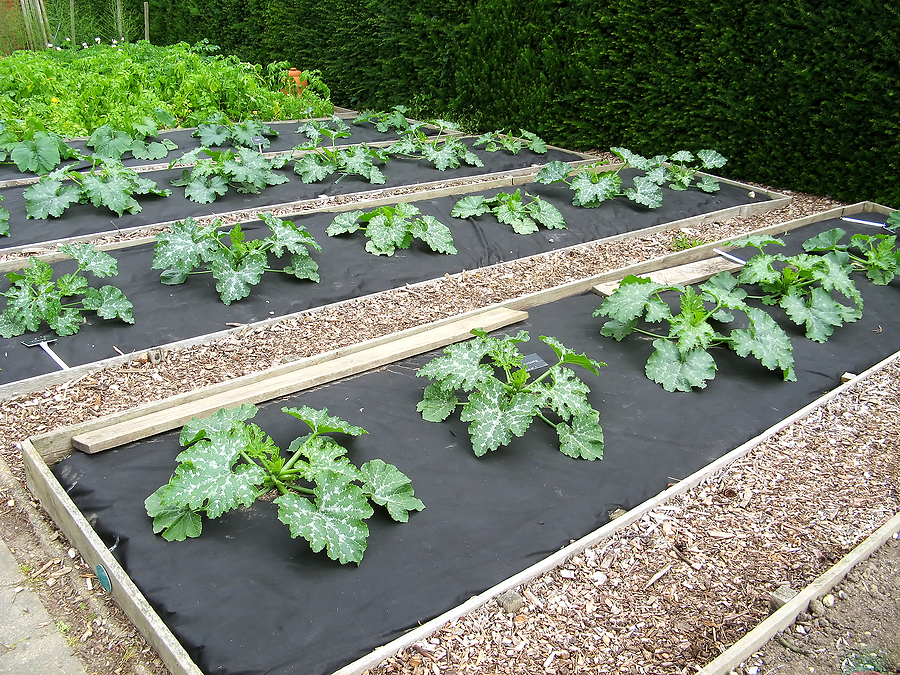
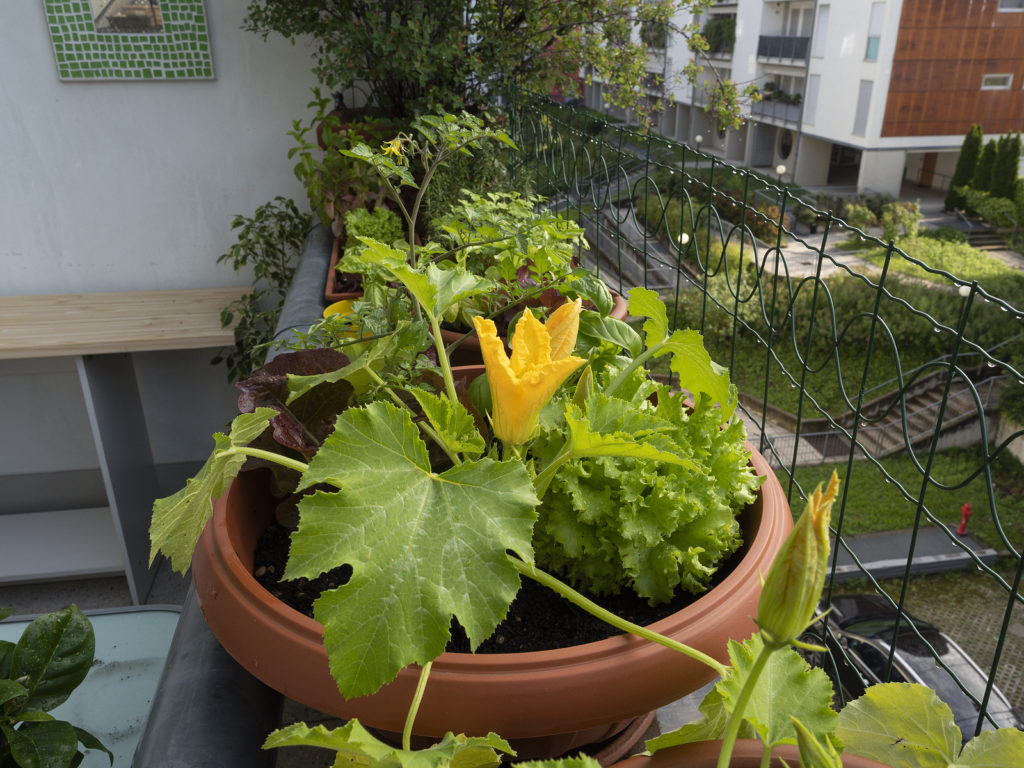
More on diseases and pests: Zucchini and Squash Growing Problems: Troubleshooting.
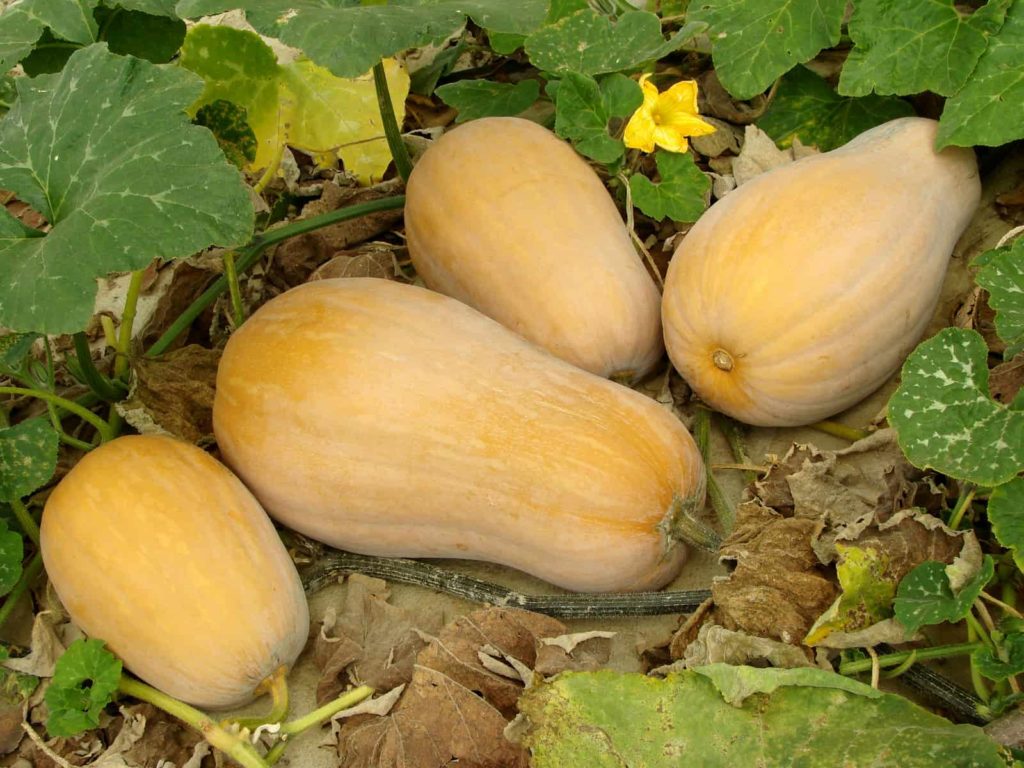
About squash
- Squashes are a large group within the cucumber family, Cucurbita, and include winter squashes, summer squashes, and pumpkins.
- Squashes have large, broad leaves; 4 to 6 stems or vines grow from a central root. Some winter squashes are sprawling; others are bush-like.
- Winter squashes have a distinct seed cavity, unlike summer squashes.
- Summer squash botanical name: Cucurbita species
- Winter squash botanical name: Cucurbita maxima and Cucurbita moschata
- Origin: American tropics
Squash frequently asked questions
Q: What kind of soil is best for growing squash?
A: Squash thrives in a wide variety of soils. Loamy soil rich in organic matter retains moisture better. Mound humus soil to create a hill; then plant three squash atop the hill and allow them to run down the fill.
Q: When and how should squash seeds be planted?
A: Sow squash seeds about the same time tomato transplants are set in the garden–after all danger of frost is past. Plant squashes on hills at least 6 feet apart, or thin single plants in rows to 4 feet apart. Winter squashes need 100 to 130 days to mature. They must be harvested before the first fall frost.
Q: When should squash be harvested?
A: Leave winter squash on the vine until just before the first hard frost. This will allow the squash to fully mature. They must have a hard find to store well. Avoid bruising or scratching the squash; injury can leave the squash susceptible to rot. Cut the squash from the vine with a pruner or sharp knife and be sure to leave several inches of dried stem attached to the squash.
Q: What is the best way to store winter squash?
A: Store winter squash at about 45° to 50°F in a dry place. Wipe the squash with a light bleach and water solution to kill fungi and bacteria on the surface. Store the squashes on shelves so that they are not touching; a place with good air circulation is best. Check the squashes regularly to be sure no rot sets in; use squashes with damaged skin first. Winter squashes will store for 3 to 4 months.Related posts you might find helpful:
Summer Squash
- How to Grow Summer Squash and Zucchini: A Gardener’s Guide
- Planting and Growing Summer Squash
- Summer Squash Care and Maintenance
- The Best Summer Squash & Zucchini Varieties for Your Garden
- How to Harvest and Store Summer Squash
- Eight Ways to Cook and Serve Summer Squash
Winter Squash
- The Ultimate Guide to Growing Winter Squash
- Planting and Growing Winter Squash
- Winter Squash Care and Maintenance
- The Best Winter Squash Varieties for Your Garden
- Harvesting & Storing Winter Squash for Long-Term Use
- Seven Ways to Cook and Serve Winter Squash
Squash Planting and Care
- Squash Seed Starting Tips: How to Grow Strong, Healthy Plants from the Start
- How to Maximize Squash Pollination for Bigger Harvests
- Growing Squash in Small Spaces: Trellising & Container Growing
- How to Prevent and Treat Squash Pests and Diseases Naturally
- Squash Vine Borer Organic Pest Control
- Squash Bug Organic Pest Control
Books to help you grow:
- Tomato Grower’s Answer Book
- Vegetable Garden Almanac & Planner
- Kitchen Garden Grower’s Guide Vegetable Encyclopedia
- Vegetable Garden Grower’s Guide
More how to grow articles:
Learn how to plant, grow, and harvest your favorite vegetables. Click below for all you need to know.
- Artichoke
- Arugula
- Asparagus
- Beans, Snap
- Beets
- Broad Beans
- Broccoli
- Brussels Sprouts
- Cabbage
- Cantaloupe — Melons
- Cardoon
- Carrots
- Cauliflower
- Celeriac
- Celery
- Chard
- Chayote Squash
- Chickpeas
- Chicory
- Chinese Cabbage
- Collards
- Corn Salad
- Corn, Sweet
- Cresses
- Cucumbers
- Eggplant
- Endive and Escarole
- Fava Beans
- Florence Fennel
- Garbanzo Beans
- Garlic
- Horseradish
- Jerusalem Artichoke
- Kale
- Kohlrabi
- Leeks
- Lettuce
- Lima Beans
- Melons
- Mizuna
- Mustard Greens
- New Zealand Spinach
- Okra
- Onions
- Parsnips
- Peanuts
- Peas
- Peppers
- Potatoes
- Pumpkins
- Radicchio
- Radishes
- Rhubarb
- Rutabaga
- Salsify
- Shallots
- Sorrel
- Southern Peas
- Soybeans
- Spinach
- Squash, Summer
- Squash, Winter
- Sunchokes
- Sweet Potato
- Swiss Chard
- Taro
- Tomatillo
- Tomatoes
- Turnips
- Watermelon
- Zucchini